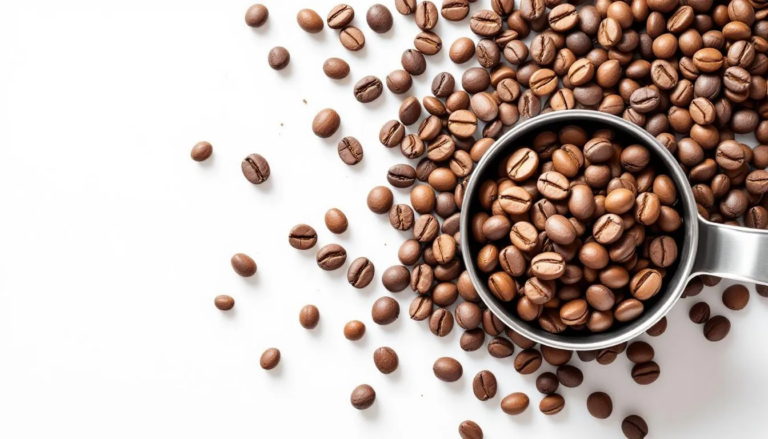
Does decaf coffee cause heartburn? Yes, it can. While it has less caffeine than regular coffee, which can reduce the risk of acid reflux, decaf coffee still contains other compounds that might trigger heartburn. Caffeinated coffee, although similar in offering health benefits like antioxidants, can also cause issues such as heartburn or indigestion for some people. This article will explain why decaf coffee can cause heartburn, compare it to regular coffee, and offer tips to help you enjoy your coffee without discomfort.
Key Takeaways
- Decaf coffee generally has lower acidity, making it a better option for those prone to heartburn, but individual tolerance varies.
- Factors like the origin and roast level of coffee beans, brewing methods, and personal sensitivities can affect whether decaf coffee triggers heartburn.
- To reduce heartburn symptoms when consuming decaf, choose low-acidity varieties, pair with alkaline foods, and drink in moderation.
- Cold brew coffee, especially decaf, offers a convenient low-acidity alternative for those prone to heartburn and digestive issues due to its lower caffeine content.
Understanding Heartburn and Gastroesophageal Reflux Disease
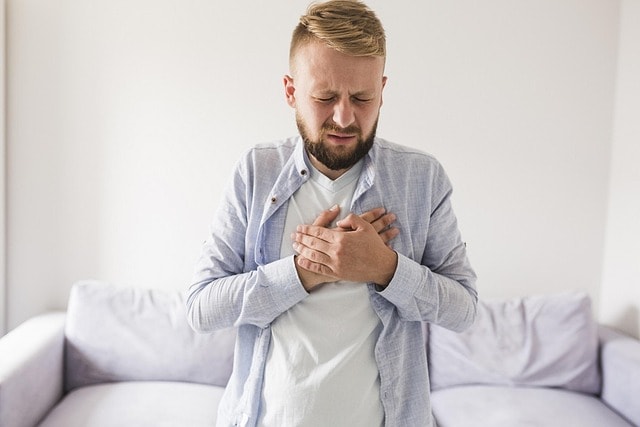
Heartburn is that all-too-familiar burning sensation in the chest, often caused by acid reflux—the backward flow of stomach contents into the esophagus. This uncomfortable feeling can range from mild to severe and is frequently mistaken for a heart attack. Heartburn is a symptom of a larger issue known as gastroesophageal reflux disease (GERD).
GERD occurs when stomach acid repeatedly flows back into the esophagus due to a malfunctioning lower esophageal sphincter (LES), the muscle that acts as a valve between the esophagus and stomach. When this sphincter weakens or relaxes inappropriately, it allows stomach acid to escape, leading to chronic symptoms and potential complications. Common GERD symptoms include regurgitation of food, difficulty swallowing, and a persistent bitter taste in the mouth, often associated with gastro oesophageal reflux disease. This condition increases gastro oesophageal reflux. Caffeine aggravates GERD symptoms for some individuals.
Several lifestyle factors can aggravate symptoms, including smoking, obesity, and certain medications. Simple changes, like eating smaller meals more frequently, avoiding specific trigger foods, and waiting two hours after eating before lying down, can significantly improve digestion and reduce heartburn occurrences. Wearing loose-fitting clothing and elevating the head while sleeping can also help minimize reflux.
Can Decaf Coffee Cause Heartburn?

Many coffee enthusiasts who experience heartburn turn to decaf coffee as a gentler alternative. Decaf coffee generally has lower acidity compared to regular coffee, which might make it a better option for those prone to heartburn. However, decaf coffee isn’t entirely free from potential triggers. While it contains less caffeine—a known stimulant of gastric acid secretion—other compounds in coffee can still provoke symptoms.
Comparatively, the effects of coffee and tea on GERD symptoms are still debated. Various studies show mixed results on whether these caffeinated beverages should be avoided, and personal tolerance may vary. Keeping a food diary can help identify individual triggers.
Interestingly, the acidity levels in decaf coffee can be lower when prepared as cold brew, reducing the potential for acid reflux. Despite these benefits, some individuals might still experience discomfort after drinking decaf coffee. Personal tolerance varies, and what works for one person may not work for another.
How Decaf Coffee Compares to Regular Coffee
Decaf coffee differs from caffeinated coffee in several ways, primarily due to its significantly lower caffeine concentration, which can affect heartburn. A typical cup of decaf contains about 2 to 5 milligrams of caffeine, whereas regular coffee ranges from 85 to 180 milligrams. This reduction in caffeine makes decaf less likely to relax the lower esophageal sphincter, potentially reducing the risk of acid reflux.
The decaffeination process itself also plays a role in reducing acidity. Methods like the Swiss Water Process not only remove caffeine but also lower the coffee’s acidity, making it a gentler option for those with sensitive stomachs. Consequently, decaf coffee often leads to less acid reflux compared to regular coffee.
Furthermore, the type of coffee bean and the decaffeination process can affect the acidity levels in decaf coffee. Some decaf options, especially those made using natural processes, maintain lower acidity levels, which can help reduce heartburn symptoms. Overall, choosing decaf coffee might be a wise decision for those looking to enjoy coffee without the burn.
Factors That Influence Heartburn from Decaf Coffee
Several factors can influence whether decaf coffee causes heartburn. These include the origin and roast level of the coffee beans, the brewing methods used, and individual sensitivities. Knowing these elements can guide you in making informed choices to potentially enjoy your coffee without discomfort.
The origin and roast level of coffee beans, brewing methods, and individual sensitivities all play a role in the acidity and heartburn potential of decaf coffee.
Bean Origin and Roast Level
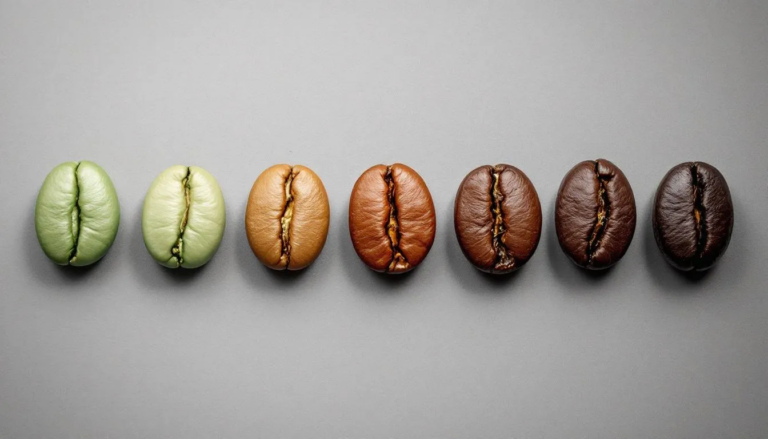
The origin and roast level of coffee beans significantly affect their acidity. For instance, lighter roasts tend to be more acidic compared to darker roasts. Dark roast decaf coffee, which undergoes a longer roasting process, generally has reduced acidity due to the breakdown of natural acids.
Coopers Cask Coffee offers excellent decaffeinated options like their Costa Rican decaf and Ethiopian decaf. These selections are known for their balanced flavors and lower acidity, making them suitable choices for those prone to heartburn.
Brewing Methods
Brewing methods can significantly impact the acidity of decaf coffee. Cold brew coffee, for example, is known for its lower acidity levels, which can be beneficial for those prone to heartburn. Cold brewing involves steeping coffee grounds in cold water for an extended period, resulting in a smoother, less acidic beverage that is gentler on the stomach.
Opting for cold brew decaf coffee can reduce the likelihood of experiencing heartburn, as it can be up to 60% less acidic than traditional hot brewing methods. This makes cold brew an excellent choice for those looking to enjoy coffee without the associated discomfort.
Individual Sensitivities
Individual sensitivities play a crucial role in whether decaf coffee triggers heartburn. Personal digestive health and tolerance levels can vary significantly, meaning that what causes discomfort for one person might not affect another. Some individuals may still experience heartburn despite the lower acidity and caffeine content in decaf coffee.
Understanding your own tolerance levels and digestive health is essential in managing heartburn. If you find that decaf coffee still causes discomfort, it might be worth consulting healthcare professionals to explore other factors and potential solutions.
Tips for Reducing Heartburn When Drinking Decaf Coffee

Even with decaf coffee, implementing some changes in how you consume it can significantly help alleviate heartburn symptoms. From choosing low-acidity decaf coffee to pairing it with certain foods, there are several strategies you can adopt to enjoy your coffee without the burn.
Here are specific tips, including selecting low-acidity decaf coffee, pairing it with the right foods, and moderating your intake and timing to drink decaf coffee.
Choosing Low-Acidity Decaf Coffee
Selecting decaf coffee brands that are specifically marketed as low-acid can minimize the risk of heartburn. Brands that undergo natural decaffeination processes like Swiss Water or Sugarcane EA tend to maintain lower acidity levels, making them a better choice for those with sensitive stomachs.
Knowing about low-acid brands and decaffeination processes can guide you in selecting decaf coffee that minimizes heartburn risk. This way, you can enjoy your coffee without the persistent discomfort.
Pairing with Food
Your dietary habits can greatly impact heartburn symptoms. Consuming decaf coffee with certain low-acid foods can mitigate the risk of acid reflux. Foods like bananas, oatmeal, and almonds are excellent choices to pair with your coffee, as they help neutralize its acidity.
Pairing decaf coffee with alkaline foods like bananas or almond milk can further minimize the risk of heartburn. Keeping a food diary can also help identify which foods work best for you.
Moderation and Timing
Drinking decaf coffee in moderation is key to preventing potential heartburn symptoms. Consuming large amounts, even of decaf, can still cause discomfort due to other compounds in the drinking coffee. Additionally, caffeine aggravates GERD symptoms, which is why moderation is important.
Drinking decaf coffee during times when you’re less prone to heartburn, such as avoiding it near bedtime, is also advisable. Limiting your intake and choosing appropriate times for consumption can help you enjoy coffee without the fear of heartburn.
Alternatives to Decaf Coffee
If you find that decaf coffee still causes heartburn, there are several alternatives you can explore. Licorice root tea offers a sweet and earthy flavor, making it a pleasant alternative. Chicory root tea, which resembles coffee in taste, is low in acid and contains prebiotics that promote gut health.
Studies on the effects of coffee and tea on heartburn show mixed results, with some individuals finding relief by avoiding these beverages, while others do not experience significant changes. Keeping a food diary can help identify personal triggers.
Mushroom coffee is another alternative that can be found in decaffeinated coffee blends, offering potential health benefits without the acidity of traditional coffee. Exploring these options, including decaffeinated tea, can provide you with gentler beverages that are less likely to cause discomfort.
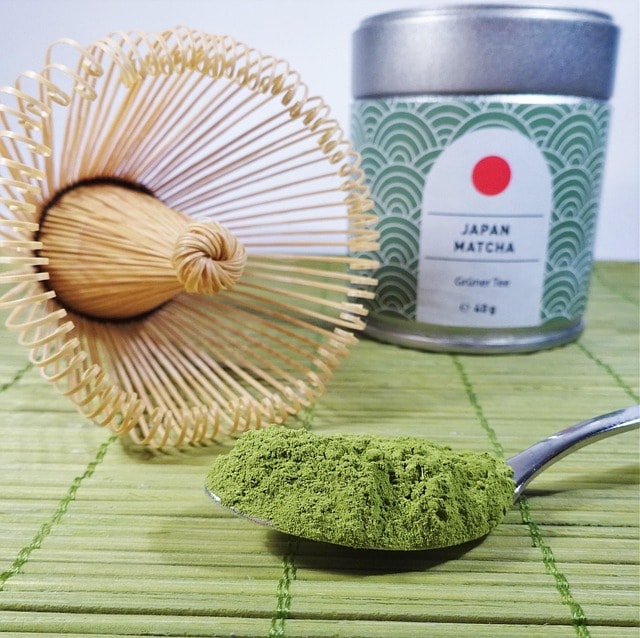
You can also try matcha as another alternative, as it can give some of the proverbial benefits of drinking coffee with even less of the acidic nature of coffee. Matcha does have a unique taste and flavor than coffee, but if your acid reflux symptoms are stopping you from enjoying your coffee this could be an avenue for you to take to kickstart to your day instead of coffee.
Lifestyle Changes to Manage Heartburn
Managing heartburn often requires more than just dietary adjustments. Identifying personal triggers and making lifestyle changes can significantly improve your symptoms. Maintaining a food diary can be beneficial. A food diary can help identify specific foods and drinks that trigger GERD symptoms.
Quitting smoking and reducing excess weight, especially around the abdomen, can also help lessen pressure on the stomach and esophagus. Additionally, drinking smaller portions of decaf coffee throughout the day and avoiding it too soon before lying down can help prevent acid reflux.
Incorporating alternative beverages like ginger tea or marshmallow root tea can also provide relief from acid reflux symptoms due to their soothing properties. Combining these lifestyle changes with the right dietary choices can help manage heartburn more effectively.
Summary
In summary, while decaf coffee is generally a better option for those prone to heartburn, it can still cause discomfort in some individuals. Factors like bean origin, roast level, brewing methods, and personal sensitivities all play a role in how decaf coffee affects you. By choosing low-acidity decaf coffee, pairing it with the right foods, and moderating your intake, you can minimize the risk of heartburn.
Exploring alternatives to decaf coffee and making lifestyle changes can also help manage your symptoms effectively. Remember, understanding your body’s unique responses is key to enjoying your coffee without the burn. Here’s to savoring every sip without the discomfort!
Frequently Asked Questions
Can decaf coffee still cause heartburn?
Absolutely, decaf coffee can still trigger heartburn for some people because of other compounds it contains, even with lower caffeine and acidity. It’s always good to pay attention to how your body reacts!
How does the roast level of decaf coffee affect its acidity?
If you’re sensitive to acidity, opting for a darker roast decaf coffee is a smart choice since it typically has less acidity than lighter roasts. So, go ahead and enjoy that bold flavor without the heartburn!
Are there specific brewing methods that reduce the acidity of decaf coffee?
Absolutely! Cold brewing decaf coffee can make it up to 60% less acidic compared to hot brewing, which can really help if you’re sensitive to acidity.
What are some good food pairings to reduce heartburn when drinking decaf coffee?
To reduce heartburn while enjoying decaf coffee, try pairing it with low-acid foods such as bananas, oatmeal, and almond milk. These combinations can help neutralize acidity and keep discomfort at bay.
What are some alternatives to decaf coffee for those prone to heartburn?
If you’re prone to heartburn, consider trying licorice root tea, chicory root tea, or mushroom coffee, as they are lower in acidity and easier on your stomach. These options can give you a comforting alternative without the discomfort.