Looking for the best French press filter to enhance your coffee? French presses are versatile and functional, and this guide will help you choose the right filter. From eliminating sediment to improving flavor, the right filter is key. Let’s explore your best options.
Key Takeaways
- Choosing the right French press filter is crucial for enhancing flavor and maintaining a smooth coffee experience, with options including paper, metal, and disposable filters.
- Paper filters provide a cleaner cup by trapping oils and sediment, while metal filters allow natural oils to enhance flavor, catering to different coffee preferences.
- Regular cleaning and maintenance of the French press are essential for longevity, and user reviews highlight the effectiveness of specific filters like Caffi in improving coffee quality.
- Preventing over extraction is crucial for a balanced flavor, and the right filter can help achieve this by ensuring consistent grind size and proper steeping time.
Understanding French Press Coffee
What is a French Press?
A French press, also known as a cafetière, coffee press, or coffee plunger, is a classic brewing method cherished by coffee enthusiasts for its simplicity and ability to produce a rich, full-bodied cup of coffee. This cylindrical pot features a plunger with a fine metal or nylon mesh filter, which plays a crucial role in the brewing process. To brew coffee using a French press, you steep coarse coffee grounds in hot water, allowing the grounds to infuse the water with their rich flavors and aromas. After a few minutes, you press the plunger down, separating the liquid from the grounds and leaving you with a delicious, velvety coffee.
French press coffee is renowned for its bold flavor and thick texture, making it a favorite among those who appreciate a robust and immersive coffee experience. The brewing method allows the natural oils and fine particles from the coffee grounds to remain in the brew, enhancing the overall flavor profile and providing a satisfying, full-bodied cup.
Why French Press Filters Matter
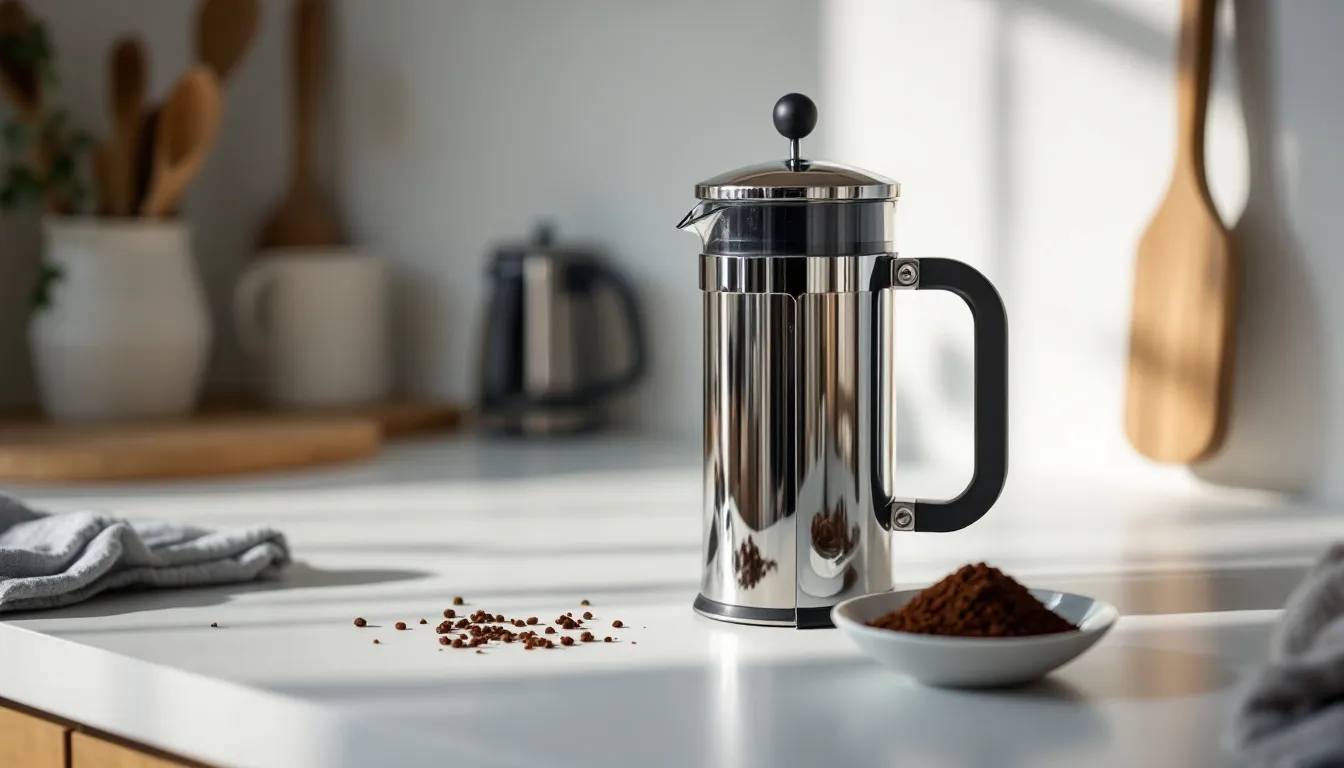
The magic of a French press lies in its ability to brew a rich, full-bodied coffee by fully immersing coffee grounds in hot water. However, this process also means that without a good filter, your cup can end up with unwanted sediment and bitterness. The right filters ensure a clean and enjoyable coffee experience. They improve the flavor and smoothness of your brewed coffee, ensuring it is silt-free and delightful with every sip. Different brewing methods, such as immersion brewing used in French presses, highlight the importance of using the right filter to achieve the desired flavor profile.
Filters eliminate unwanted sediment, maintaining the joy of drinking coffee. Different filtering techniques can result in a cleaner, smoother cup of coffee, enhancing the overall experience. The right filter choice can transform a gritty, disappointing cup into a smooth, flavorful delight.
Types of French Press Filters
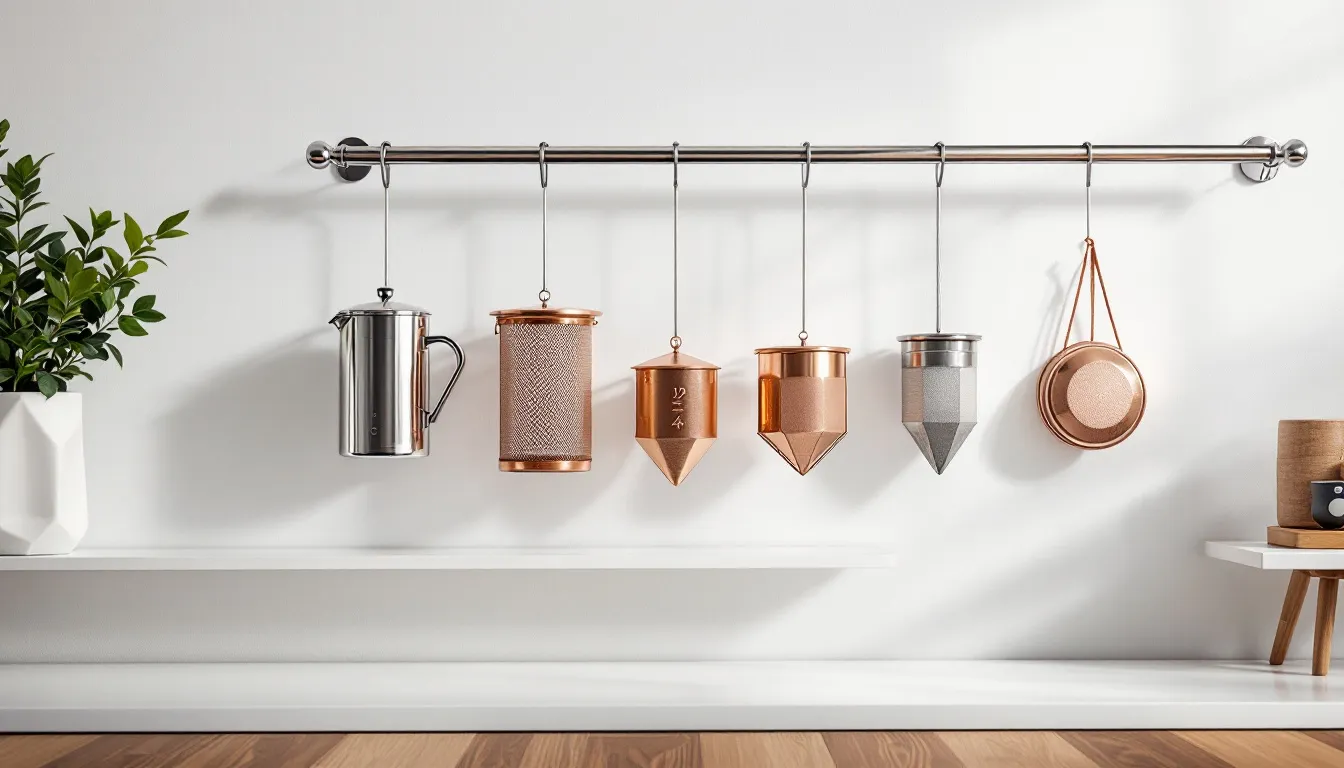
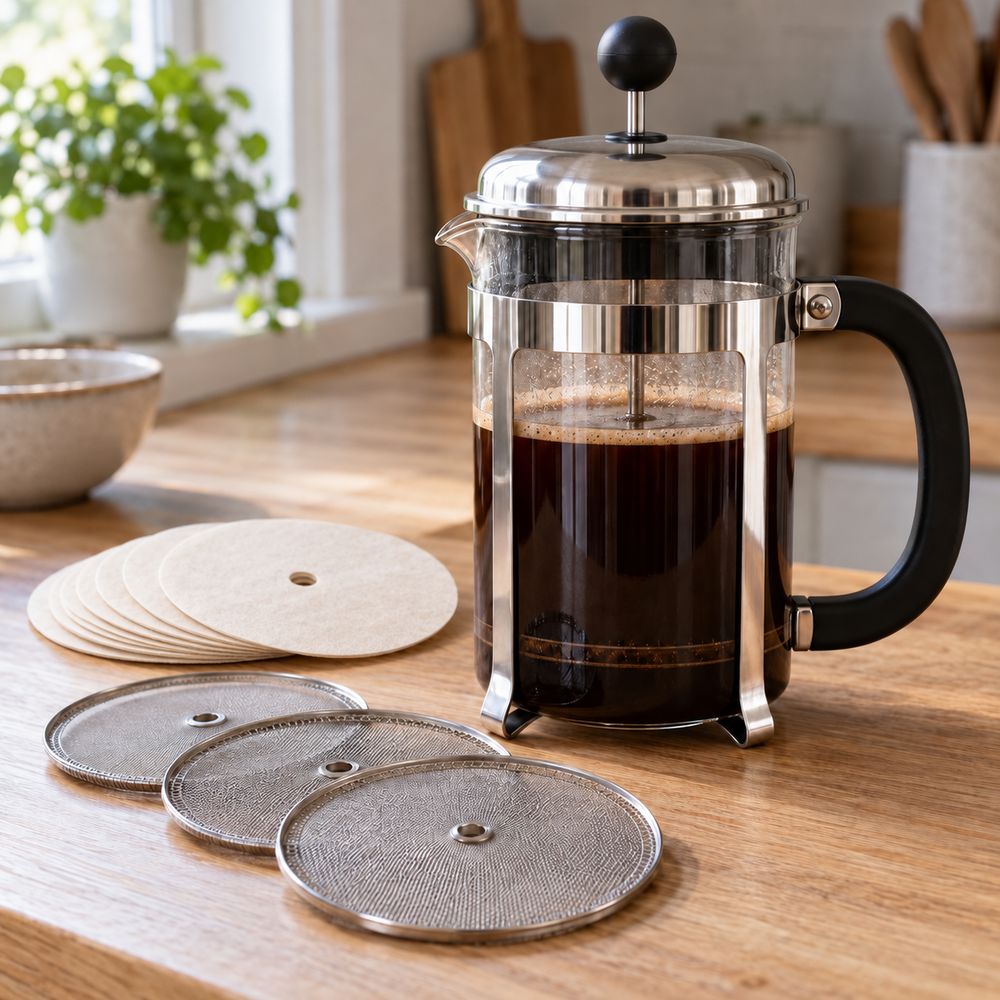
Different types of French press filters influence the flavor and overall coffee experience. The main filtering methods for French press coffee are paper filters, metal filters, and disposable filters. Each type offers unique benefits, such as the smooth finish of paper filters and the rich texture provided by metal filters.
Additionally, some filters and French press designs help keep your coffee warm, ensuring a pleasant drinking experience.
The right type of filter can enhance your brewing process and improve the flavor of your coffee.
Paper Filters
Paper filters are a popular choice for those who prefer a cleaner, crisper coffee. These filters effectively trap oils and micro-grounds, resulting in a lighter and more refined flavor profile. Minimizing sediment in the final cup, paper filters enhance the taste by reducing bitterness and providing a smoother beverage. Caffi Filters, a well-known brand, offers disposable filters specifically designed for French press coffee brewing, making them a convenient and reliable option. Using paper filters can also aid in preventing over extraction by ensuring a consistent grind size and proper steeping time.
Paper filters simplify cleanup. After brewing, dispose of the filter and trapped coffee grounds, leaving your French press cleaner and requiring less scrubbing. This convenience, combined with the flavor benefits, makes paper filters a popular choice among coffee enthusiasts.
Metal Filters
Metal filters are designed to enhance the coffee flavor by allowing natural oils and fine particles to pass through during the brewing process. These filters permit fine particles and essential oils to pass through, which can contribute to a fuller-bodied coffee. By allowing these elements to remain in the brew, metal filters result in a bolder and richer coffee flavor.
Achieving the best results with metal filters requires the right grind size and brewing technique. A coarser grind is typically recommended to prevent over-extraction and bitterness. Proper technique retains the coffee oils, enhancing flavor and body. Proper technique and grind size are essential for preventing over extraction and achieving the best flavor with metal filters.
Disposable Filters
Disposable filters offer a convenient option for French press users. Made from compostable materials, these filters are eco-friendly and simplify the cleanup process. After brewing, you can easily discard the disposable filter, avoiding leftover grounds in your coffee cup and making cleanup a breeze. Disposable filters can be used in various brewing methods, including the French press, to achieve a cleaner cup of coffee.
Disposable filters help maintain the French press by preventing coffee grounds from clogging the filter screen and other components. This convenience and environmental benefit make disposable filters an attractive choice for many coffee lovers.
Preparing to Brew Coffee
Choosing the Right Coffee Beans
Selecting the right coffee beans is a critical step in achieving a flavorful and high-quality brew with your French press. Freshly roasted beans are essential, as they contain higher levels of natural oils and compounds that contribute to the coffee’s aroma and taste. When choosing beans, consider factors such as roast level, origin, and freshness. For French press brewing, a medium to dark roast is often recommended, as these roast levels tend to complement the rich, bold flavors that the French press method brings out.
Additionally, pay attention to the origin of the beans, as different regions produce beans with distinct flavor profiles. Experimenting with beans from various origins can help you discover the flavors you enjoy most. Always opt for freshly roasted beans, as they will provide the best flavor and aroma, ensuring a delightful coffee experience.
Determining the Correct Grind Size
Achieving the correct grind size is essential for optimal extraction when brewing coffee with a French press. A consistent, coarse grind is recommended, as it allows for even extraction and prevents over-extraction, which can lead to a bitter taste. Using a burr grinder is the best way to achieve a uniform grind size, ensuring that all the coffee grounds are of similar size and shape.
Avoid using a fine grind, as it can create a muddy, over-extracted brew and clog the French press filter. The coarse grind allows the water to flow more freely through the grounds, extracting the desired flavors without over-extracting the bitter compounds. Consistency in grind size is key to achieving a balanced and flavorful cup of coffee with your French press.
How to Choose the Right Filter for Your French Press
Choosing the right coffee filter can significantly influence the flavors, aromas, and overall coffee experience. Factors such as coffee preferences, filter compatibility, and budget and sustainability considerations play a crucial role in this decision.
Understanding these factors helps you select a filter that suits your needs and enhances your coffee brewing process.
Consider Your Coffee Preferences
When choosing a filter, consider your coffee preferences, including the type of coffee beans, grind size, and the desired flavor profile. Choosing specific coffee beans and adjusting the grind size helps achieve your preferred flavor. Some coffee enthusiasts prefer a cleaner cup with minimal sediment, while others enjoy a richer, more textured coffee. Tolerance for sediment in coffee influences your filter choice.
Ease of use is also an important consideration. If you prefer a quick and hassle-free brewing experience, you might opt for a filter that simplifies the process and cleanup. This consideration ensures that your coffee brewing routine remains enjoyable and efficient.
Assessing Filter Compatibility
A well-fitting filter is crucial for effective brewing and preventing overflow. It’s important to check that the filter is suitable for your French press’s specific model and dimensions. A well-fitting filter ensures optimal brewing performance and prevents leaks, contributing to a smooth coffee experience.
Compatibility is key to achieving the best results. Verify filter compatibility with your French press before purchasing to avoid brewing issues. This step ensures that you can enjoy a seamless and enjoyable coffee experience without any mishaps.
Budget and Sustainability
A French press can be more environmentally friendly as it typically doesn’t require disposable filters or pods that contribute to landfill waste. Affordable French press models provide a cost-effective way to enjoy quality coffee without breaking the bank. Investing in the best french press can be more sustainable in the long run, as it reduces the need for frequent replacements.
A stainless steel or durable material French press enhances sustainability by minimizing breakage risk. This not only benefits the environment but also ensures you have a reliable coffee brewing tool for years.
Using a French Press Filter: Step-by-Step Guide
Using a French press filter correctly can make a significant difference in the quality of your brewed coffee. This step-by-step guide will help you master the brewing process, ensuring that you achieve a flavorful and smooth cup of coffee every time.
Preparing Your French Press
Start by pouring hot water into the carafe of your French press for a few minutes, then discard it. This step warms the carafe and helps maintain the coffee’s temperature during brewing. Carefully take apart the French press by removing the lid and plunger. Separate the filter plates and pay attention to their order, as this will make reassembly easier.
Warming the carafe helps keep your coffee warm during the brewing process, enhancing the overall experience.
Properly preparing your coffee press French press sets the stage for successful brewing. Clean and correctly assembled components help achieve the best coffee extraction and flavor.
Adding Coffee Grounds and Water
The recommended coffee-to-water ratio for French press coffee is typically 1:15. For example, for a 12-ounce French press, using 180 grams of water is ideal. Coarsely ground coffee is recommended for the best flavor extraction during brewing. The ideal boiling temperature for water when using a French press is between 195°F to 205°F (90°C to 96°C). Using the correct coffee-to-water ratio and grind size is crucial for preventing over extraction and achieving a balanced flavor.
When pouring hot water over the coffee grounds, do so in a circular motion. This technique ensures even saturation of the grounds and promotes optimal flavor extraction. These guidelines help achieve a balanced and flavorful cup of coffee.
Filtering and Pressing
Using the correct filter technique allows for a smoother, cleaner cup of coffee by effectively separating grounds from the brew while brewing coffee using a brewing method. Experimenting with different filters can transform the flavor profile of the coffee, keeping the desired oils while minimizing bitterness. Gently and steadily press the plunger to prevent grounds from escaping and ensure a consistent infusion.
When pouring brewed coffee, tilt the French press slightly and pour slowly to minimize splashing and promote an even flow. This technique maintains the clarity and smoothness of the final cup, ensuring the best possible coffee experience. Experimenting with different brewing methods can help you find the perfect balance of flavor and clarity in your coffee.
Benefits of Using a French Press Filter
Using a filter significantly improves the quality of coffee by preventing gritty textures and enhancing clarity. Metal filters allow more coffee oils to remain in the brew, enhancing overall flavor and body. This results in a richer flavor profile and a smoother beverage. The right filter type influences the potential for over-extraction and bitterness, allowing you to tailor the coffee to your taste preferences.
Some French press designs and filters are specifically made to keep your coffee warm, enhancing the overall drinking experience.
Slowly pressing the plunger minimizes coffee sediment, contributing to a cleaner cup. Your filter choice can greatly influence the strength and flavor profile of your coffee based on how much sediment you prefer. Paper filters reduce sediment in French press coffee, leading to easier cleanup and a more enjoyable experience.
Common Issues and Troubleshooting
Common concerns when using a French press include adjusting flavor, coffee grounds in the mug, and cholesterol levels. Users often encounter coffee grounds settling at the bottom of their mugs. This can be frustrating and affect enjoyment of the coffee. Preventing over extraction by using the correct grind size and steeping time can also help address issues like bitterness and uneven flavor.
To address these issues, consider implementing double filtration techniques, such as using a sieve or an additional paper filter. This method can significantly enhance the clarity of your coffee and minimize sediment, providing a cleaner and more enjoyable cup.
Cleaning and Maintenance Tips
Rinsing the French press after each use helps prevent coffee residue buildup. Warm water and a suitable brush effectively clean the filter without damaging it. Removable beakers simplify the cleaning process. This is particularly true if they are safe to use in the dishwasher. Avoid soaking the French press in water for long periods to prevent damage.
Vinegar can help eliminate stubborn stains and odors from the French press. Ensure to disassemble the plunger pot to properly clean and maintain all components. Regularly inspect filter plates for bending and the mug for chips or cracks to ensure your French press’s longevity and performance.
Customer Reviews and Recommendations
Customer reviews and recommendations provide valuable insights into the effectiveness of different filters. Caffi is mentioned as having the best product reviews for filters among users. Their filters are praised for improving flavor and reducing sediment, making them a highly recommended choice for French press enthusiasts.
User testimonials highlight how filters enhance the coffee experience. Many users report that high-quality filters significantly improve the flavor and clarity of their coffee, making the investment worthwhile.
These positive reviews can guide you in selecting the best filters for your needs.
Summary
In summary, choosing the right filter for your French press is essential for achieving the best coffee experience. Filters improve the flavor and smoothness of brewed coffee, and experimenting with different types can enhance your enjoyment. Whether you prefer paper, metal, or disposable filters, each type offers unique benefits that can cater to your preferences.
We hope this guide has provided valuable insights into the importance of French press filters and how to choose and use them effectively. Now, it’s time to experiment with different filters and find the perfect one that suits your taste. Happy brewing!
Frequently Asked Questions
Why should I use a filter in my French press?
Using a filter in your French press enhances the flavor and smoothness of your coffee by removing undesirable sediment and bitterness. This ensures a more enjoyable and refined coffee experience.
What are the benefits of using paper filters in a French press?
Using paper filters in a French press enhances the coffee experience by providing a lighter, crisper flavor while reducing sediment for easier cleanup. This results in a cleaner cup of coffee that many enthusiasts appreciate.
How do metal filters enhance the coffee flavor?
Metal filters enhance coffee flavor by allowing natural oils and fine particles to pass through, resulting in a richer and fuller-bodied brew. This leads to a more complex and enjoyable tasting experience.
What should I consider when choosing a filter for my French press?
Choose your filter based on your coffee preferences, ensure compatibility with your French press model, and take into account your budget and sustainability goals. This will help you enjoy the best brewing experience.
How can I prevent coffee grounds from ending up in my mug?
To prevent coffee grounds from ending up in your mug, use double filtration techniques like a sieve or an additional paper filter for a clearer cup. This will effectively minimize sediment and improve your coffee experience.