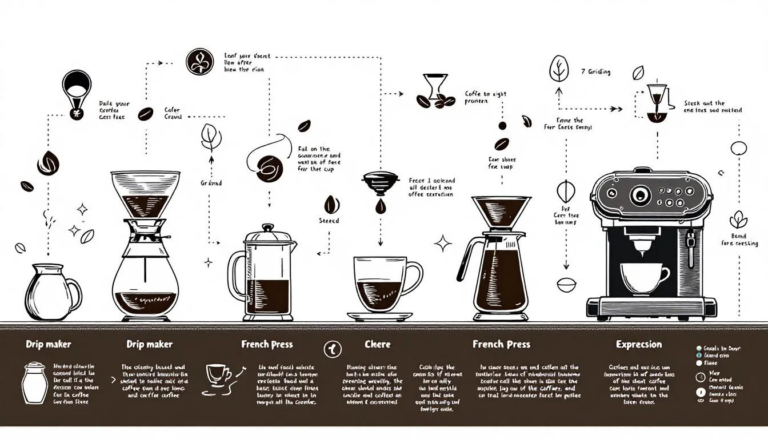
The global coffee market continues its remarkable growth, with consumption projected to reach 178.5 million bags in 2023/24, representing a 1.7% year-over-year increase. Behind every successful coffee shop and restaurant lies a crucial but often overlooked player: the coffee wholesaler. While consumers focus on their morning brew and retailers compete for foot traffic, wholesale coffee operations quietly generate substantial revenue through bulk distribution and long-term business relationships.
Starting a wholesale coffee business can be a straightforward process compared to other segments of the coffee industry, making it an appealing option for entrepreneurs seeking simplicity and profitability.
Wholesaling coffee represents one of the most stable and profitable segments of the coffee industry. Unlike retail operations that depend on individual consumer transactions, wholesale businesses build recurring revenue streams through volume sales to cafes, restaurants, offices, and grocery stores. With wholesale pricing typically set 40-50% below retail price points, this business model creates win-win scenarios where retailers gain access to quality coffee beans at competitive rates while wholesalers benefit from predictable cash flow and economies of scale. Coffee is sourced from around the world, giving wholesalers access to a diverse range of beans and flavors to meet the needs of their clients.
This complete guide will walk you through everything you need to know about building a successful coffee wholesale operation. From understanding different business models and securing proper licensing to developing pricing strategies and scaling operations, we’ll cover the essential elements that separate thriving wholesale businesses from those that struggle to gain traction.
What is Coffee Wholesaling?
Wholesale coffee represents the critical link between coffee producers and the businesses that serve consumers their daily brew. At its core, wholesaling coffee involves purchasing roasted or green coffee beans in bulk quantities and distributing them to retail establishments at discounted wholesale prices. Wholesalers play a key role in the supply chain as they distribute coffee from roasters or suppliers to retailers and other businesses, ensuring products flow efficiently from producer to point of sale. This business model serves as the backbone of the coffee supply chain, enabling smaller retailers to access quality products without managing complex sourcing relationships directly with producers.
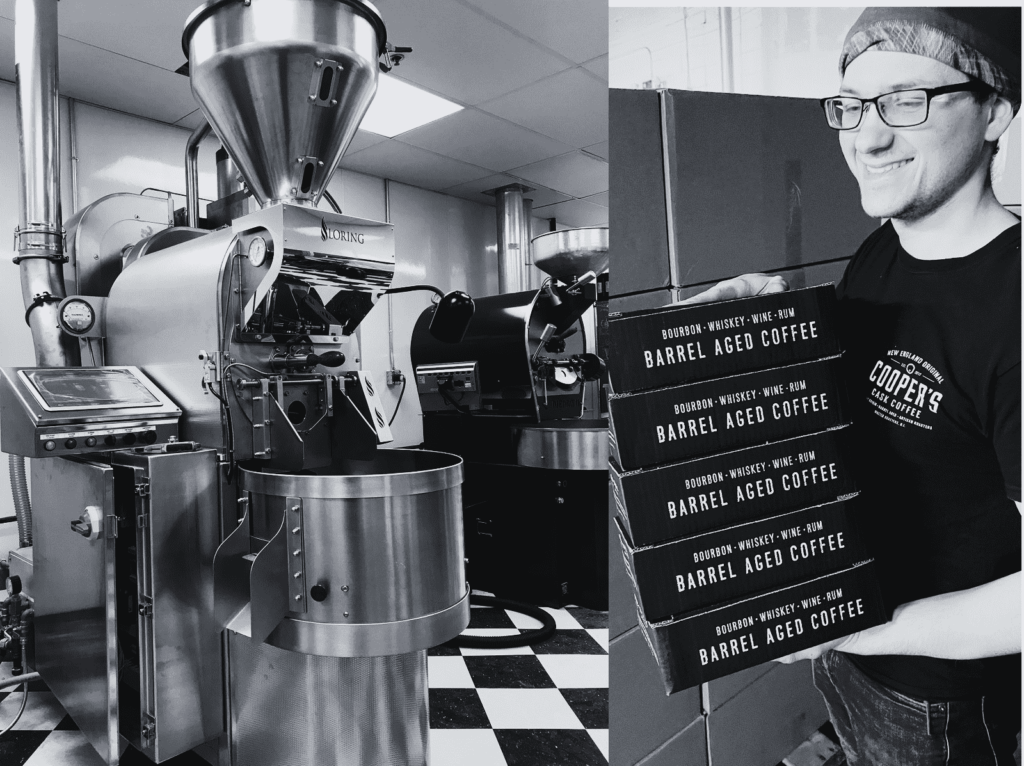
The wholesale coffee ecosystem includes several key players, each serving specific roles in the distribution process. Roasters form the foundation by sourcing green coffee from producers worldwide, applying their expertise to create distinctive flavor profiles through the roasting process. These companies often sell directly to larger accounts while partnering with distributors to reach smaller retailers efficiently.
Coffee distributors act as intermediaries, aggregating products from multiple roasters to offer comprehensive selections to their customers. This model particularly benefits smaller cafes and restaurants that may not meet minimum order requirements for direct roaster relationships. Meanwhile, retailers including coffee shops, restaurants, grocery stores, and office coffee services represent the final link to consumers.
The financial structure of wholesale coffee creates attractive opportunities for all participants. Wholesale pricing typically runs 40-50% below retail levels, allowing retailers to maintain healthy profit margins while ensuring wholesalers achieve sustainable returns. For example, coffee that retails for $12 per pound might wholesale for $6-7, providing retailers with markup potential while covering the wholesaler’s costs for sourcing, inventory management, and distribution.
Revenue stability represents one of the most compelling aspects of the wholesale coffee business. Unlike retail operations that face daily uncertainty about customer traffic, wholesale businesses build recurring revenue through regular orders from established accounts. Many cafes and restaurants order coffee weekly or bi-weekly, creating predictable cash flow that enables better financial planning and growth investments. To maintain this stability, it is crucial for wholesalers and retailers to accurately estimate how much coffee to purchase and keep in stock, ensuring they meet customer demand without overstocking or running short.
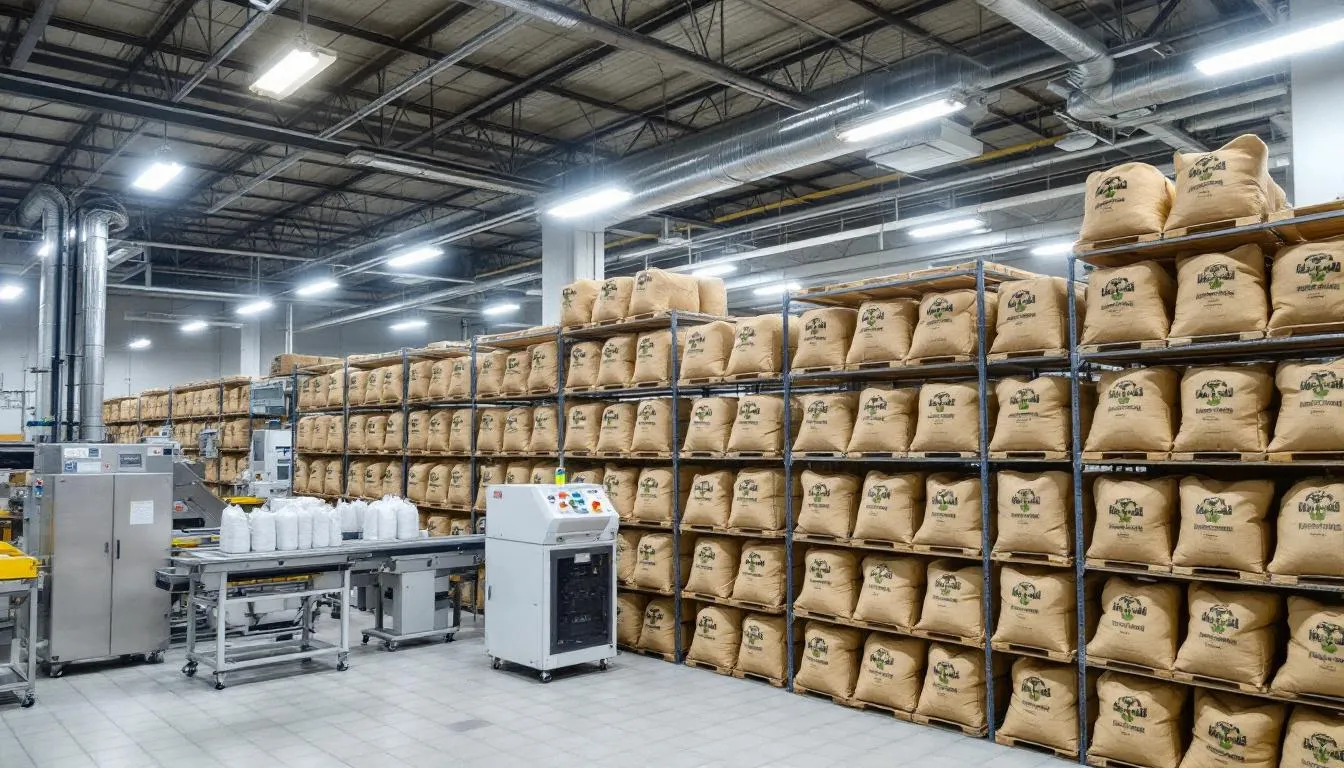
The scale advantages inherent in wholesale operations also contribute to profitability. By purchasing coffee in large quantities, wholesalers negotiate better pricing from roasters and producers. They can also optimize distribution routes, warehouse operations, and administrative processes across multiple customer accounts, reducing per-unit costs compared to smaller-scale operations.
Types of Coffee Wholesale Operations
Understanding the different models for wholesaling coffee helps entrepreneurs choose the approach that best aligns with their resources, expertise, and market opportunities. Each model offers distinct advantages and challenges, from capital requirements to operational complexity.
2.2 Distributor Model
In the distributor model, businesses purchase coffee in bulk from roasters and then resell these products to various retailers, such as cafes, grocery stores, and specialty shops. This reselling approach allows distributors to generate additional revenue and manage inventory efficiently while expanding the reach of coffee brands.
2.4 Subscription Box Services
Subscription box services curate and deliver coffee selections directly to consumers on a recurring basis. These services focus on bringing a rotating selection of coffees to subscribers, emphasizing variety and freshness to keep customers engaged and satisfied. This model can help build brand loyalty and provide predictable revenue streams.
Direct Roaster-to-Retailer Sales
Many specialty roasters have discovered that selling directly to cafes and restaurants provides better margins and stronger customer relationships than traditional wholesale channels. This model allows roasters to maintain complete control over their product quality and brand presentation while building personal connections with retail partners.
Direct sales enable roasters to offer value-added services that strengthen customer loyalty. These might include barista training, equipment maintenance, menu development assistance, and exclusive access to limited-origin coffees. Such services create switching costs that help retain customers even when competitors offer lower prices.
However, this approach demands significant investment in sales infrastructure. Roasters must hire dedicated sales staff, develop order management systems, and create efficient distribution networks. The model works best for established roasters with strong brand recognition and the resources to support comprehensive customer service programs.
Coffee Distribution Companies
Wholesale distributors purchase coffee from multiple roasters and resell to retailers, offering customers broader product selections and simplified ordering processes. Their business model centers on reselling these products to retailers, allowing them to generate additional revenue and manage inventory efficiently. This model succeeds by aggregating demand across numerous small accounts that individual roasters might find unprofitable to serve directly.
Distributors excel at providing convenience and reliability. A single distributor might offer 20-30 different coffee varieties from various roasters, enabling cafe owners to source their complete coffee needs through one relationship. They also typically maintain larger inventories, ensuring product availability even when individual roasters experience supply disruptions.
The distributor model requires substantial working capital to maintain inventory across multiple product lines. Success depends on efficient warehouse operations, route optimization, and sophisticated inventory management systems. Distributors must also balance the competing demands of roaster partners and retail customers while maintaining acceptable margins for all parties.
Private Label Coffee Manufacturing
Private labeling represents a growing segment where wholesalers create custom-branded coffee for retail partners. This approach enables cafes, restaurants, and grocery stores to offer house-branded coffee without investing in roasting equipment or developing sourcing expertise.

Private label services typically include custom roasting, packaging design, and even marketing support. A regional cafe chain might work with a private label wholesaler to develop signature blends that reinforce their brand identity while ensuring consistent quality across multiple locations.
This model creates strong customer loyalty since retailers invest time and marketing resources in promoting their private label products. Switching costs become substantial when customers have built brand recognition around specific coffee offerings. However, private labeling requires additional capabilities in packaging, design, and quality control to meet retail partners’ specifications.
Subscription Box Wholesale Services
The subscription economy has created new opportunities for wholesale coffee operations. Some wholesalers specialize in supplying curated coffee selections for subscription box services, either operating their own subscription programs or partnering with third-party subscription companies.
By bringing a rotating variety of coffees to subscribers, these wholesalers emphasize freshness and selection, which are key to customer engagement and satisfaction. This model provides predictable recurring revenue while reaching coffee enthusiasts willing to pay premium prices for variety and discovery. Subscription wholesalers often focus on showcasing different origins, processing methods, or seasonal offerings that create excitement among subscribers.
Success in subscription wholesale requires expertise in curation, storytelling, and logistics. Companies must consistently source interesting coffees, develop compelling narratives around their selections, and manage complex shipping schedules to multiple subscription services or direct to consumers.
Regional Specialty Distributors
Regional distributors focus on serving specific geographic markets with carefully curated selections that reflect local preferences and values. These businesses often emphasize sustainability, direct trade relationships, and locally-roasted products that appeal to environmentally and socially conscious consumers.
Regional specialty distributors succeed by understanding their markets deeply and building strong relationships with both suppliers and customers. They might partner exclusively with roasters who share their values around sustainability and quality, creating cohesive product portfolios that appeal to discerning retailers.
This approach allows for personalized service levels that larger national distributors cannot match. Regional operators can visit customers regularly, provide immediate support when issues arise, and adapt quickly to changing local market conditions.
Getting Started in Coffee Wholesaling
Launching a successful wholesale coffee operation requires careful planning and strategic decision-making across multiple business dimensions. Identifying the best strategies for entering and competing in the wholesale coffee market is essential for long-term success. The foundation begins with developing a comprehensive business plan that analyzes market opportunities, competitive positioning, and financial projections.
Market analysis should examine local and regional demand for wholesale coffee services. Learn about competitors, customer needs, and market trends to make informed decisions that will help your business stand out. Research existing competitors to understand their pricing, service levels, and customer base. Identify underserved market segments or geographic areas where new entrants might gain traction. Consider factors like the density of potential customers, average order sizes, and growth trends in the foodservice industry.
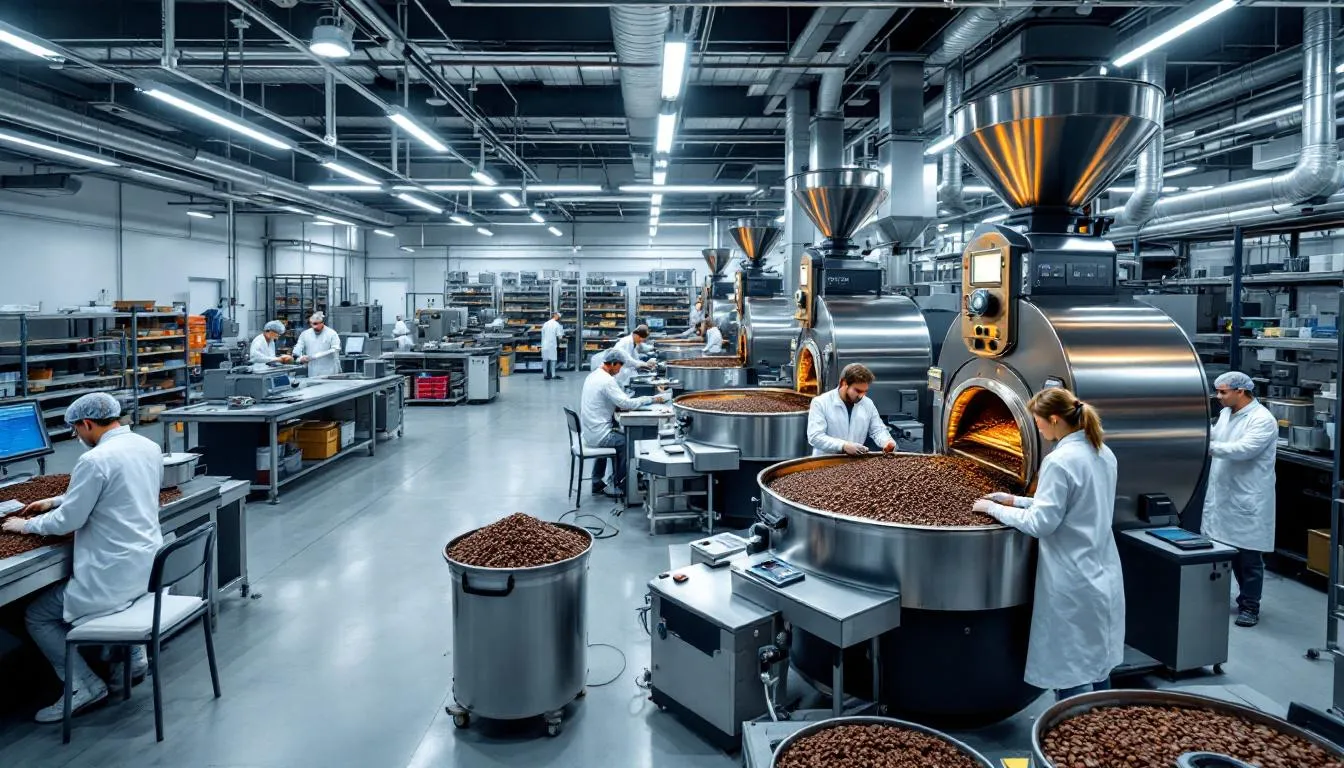
One of the first strategic decisions involves choosing between roasting your own coffee versus distributing existing brands. Operating as a roaster provides greater control over product quality and potentially higher margins, but requires significant capital investment in equipment, facility buildouts, and technical expertise. Roasting operations also face more complex regulatory requirements and operational challenges.
Alternatively, starting as a distributor requires lower initial capital and allows entrepreneurs to focus on sales and customer service rather than production complexities. Distributors can begin operations more quickly and test market demand before making larger investments. However, this model typically offers lower margins and less product differentiation.
Financial planning must account for substantial upfront costs including inventory purchases, warehouse facilities, distribution vehicles, and working capital to support payment terms. Many wholesale customers expect NET30 payment terms, meaning cash flow management becomes crucial during the startup phase.
Initial capital requirements vary significantly based on the chosen business model and market scope. A regional distributor might start with $50,000-100,000 in working capital, while a roasting operation could require $200,000-500,000 for equipment and facility development. Conservative financial projections should account for slower initial sales growth as relationships develop with retail customers.
Essential Business Requirements
Operating a wholesale coffee business requires compliance with numerous legal and regulatory requirements that vary by jurisdiction. The foundation involves establishing a proper business entity such as an LLC or corporation, obtaining a Federal Employer Identification Number (FEIN), and registering with appropriate state and local authorities.
Wholesale operations require specific licenses that differ from retail businesses. Most jurisdictions require wholesale permits or reseller licenses that enable businesses to purchase products without paying sales tax, which is later collected when products are resold. These permits also provide legal authority to operate as a wholesale distributor.
Food handling and distribution regulations apply to coffee operations since coffee is considered a food product. Depending on the scope of operations, businesses may need food handler permits, warehouse licenses, and compliance with FDA or equivalent food safety standards. Companies that repackage bulk coffee into smaller containers face additional labeling and safety requirements.
Insurance coverage represents a critical but often overlooked requirement. Product liability insurance protects against claims related to contamination or product defects. General liability covers workplace accidents and property damage, while commercial vehicle insurance is essential for delivery operations. Worker’s compensation may be required depending on employee count and local regulations.
Warehouse or storage facilities must maintain appropriate conditions to preserve coffee quality. Coffee beans are sensitive to moisture, temperature fluctuations, and exposure to light and air. Proper storage requires climate-controlled environments and inventory rotation systems to ensure freshness standards.
Transportation capabilities are essential for serving customers reliably. Many wholesale operations start with company-owned delivery vehicles to maintain control over service quality and delivery schedules. As businesses grow, they might transition to third-party logistics providers or hybrid models that balance cost efficiency with service levels.
Technology infrastructure supporting order processing, inventory management, and customer communication becomes increasingly important as operations scale. Modern wholesale businesses often implement digital ordering portals that allow customers to place orders, track deliveries, and manage their accounts online. It is also important to keep customer payment information, such as credit card details, securely on file to facilitate automated billing and ensure timely payments.
Wholesale Coffee Pricing Strategies
Developing effective pricing strategies requires understanding the complex cost structure of wholesale coffee operations and the competitive dynamics within target markets. Success depends on balancing profitability requirements with customer value propositions across different market segments.
The foundation of wholesale coffee pricing begins with green coffee costs, which fluctuate based on global commodity markets, weather conditions in producing regions, and currency exchange rates. Commercial-grade coffee typically trades on established commodity exchanges, while specialty coffees involve direct negotiations with producers or importers. These input costs can vary significantly throughout the year, requiring flexible pricing approaches.
Roasting costs include energy consumption, labor, equipment depreciation, and facility overhead. A typical roasting operation might add $1.50-3.00 per pound to green coffee costs depending on batch sizes, energy efficiency, and labor productivity. Smaller operations often face higher per-unit costs due to reduced economies of scale.
Packaging represents another significant cost component, particularly for operations offering custom branding or smaller package sizes. Standard wholesale bags might cost $0.20-0.50 per pound, while custom-printed packages can cost $0.75-1.50 per pound. Volume purchasing and standardized packaging help control these expenses.
Distribution costs vary based on delivery routes, fuel prices, vehicle efficiency, and driver wages. Dense urban markets with short delivery distances typically offer better distribution economics than rural areas requiring longer routes. Many wholesalers charge delivery fees or require minimum orders to ensure profitability on individual stops.
Administrative overhead including sales staff, customer service, accounting, and management represents 10-20% of total costs for efficient operations. Technology investments in ordering systems, inventory management, and customer relationship management help control these expenses while improving service quality.
Competitive pricing analysis requires understanding different market segments and their price sensitivities. High-end specialty cafes might prioritize quality and service over price, while institutional customers like schools and hospitals often make purchasing decisions based primarily on cost considerations.
Volume discounts and tiered pricing models help attract larger customers while maintaining margins on smaller accounts. A typical structure might offer base pricing for orders under 50 pounds, 5-10% discounts for orders over 100 pounds, and 15-20% discounts for orders exceeding 500 pounds.
Payment terms significantly impact cash flow and should be factored into pricing decisions. Customers paying immediately might receive 2-3% discounts, while NET30 terms might include slightly higher base pricing to compensate for delayed cash flows and collection risks.
Target Markets and Customer Segments
Understanding potential customer segments enables wholesalers to develop targeted sales strategies and tailor their service offerings to meet specific market needs. Each segment has distinct characteristics regarding order volumes, price sensitivity, and service requirements.
Coffee shops and cafes represent the most obvious target market for wholesale coffee operations. These businesses typically consume 100-500 pounds of coffee weekly depending on their size and customer volume. Cafes often prioritize quality and consistency over pure cost considerations, making them attractive customers for specialty wholesalers.
Successful cafe relationships require understanding each customer’s unique needs. A third-wave specialty cafe might want single-origin coffees with detailed tasting notes and seasonal rotations, while a neighborhood coffee shop might prefer consistent house blends with reliable availability. Service requirements often include regular delivery schedules, flexible ordering systems, and occasional emergency deliveries.
Restaurants and hospitality businesses consume substantial quantities of coffee but often have different priorities than dedicated coffee establishments. Many restaurants view coffee as a necessary offering rather than a profit center, focusing more on cost control and convenience than showcasing premium products.
Hotel and resort accounts can provide substantial volume opportunities, particularly for operations near tourist destinations. These customers often prefer simplified product lines with consistent availability across multiple locations. Hotels are also key wholesale coffee buyers, playing a significant role in the coffee distribution and retail chain. Private labeling opportunities frequently arise when hotel chains want to offer branded coffee experiences.
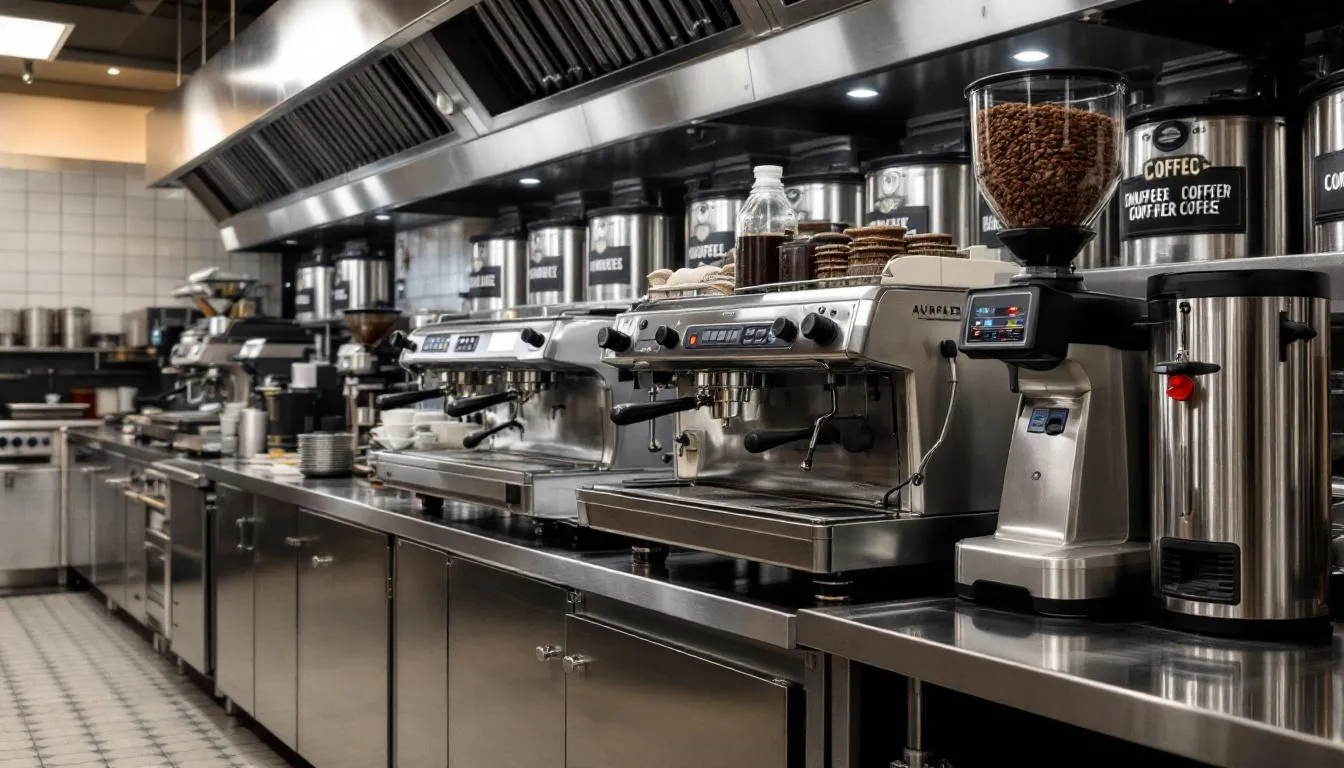
Office buildings and corporate accounts represent a growing market segment driven by workplace culture trends emphasizing employee satisfaction. Office coffee services might provide equipment, maintenance, and supplies in addition to coffee products, creating bundled service opportunities with recurring revenue potential.
Corporate accounts often prioritize convenience and cost control over premium quality. However, many companies are upgrading their coffee offerings to attract and retain talent, creating opportunities for wholesalers who can demonstrate value beyond pure cost savings.
Grocery stores and retail chains purchase coffee for resale to consumers, requiring different approaches than foodservice accounts. Retail customers need products packaged for consumer purchase, often with private labeling to support store brands. Shelf life considerations become more important since retail coffee might sit longer than foodservice products. Understanding the needs and expectations of buyers in grocery stores and retail chains is crucial for building strong relationships and securing shelf space. Engaging directly with the buyer during in-person meetings, pitches, and negotiations helps address their requirements and increases the likelihood of establishing a successful partnership.
Educational institutions including schools, universities, and corporate training facilities represent substantial volume opportunities. These accounts often prioritize cost efficiency but may have sustainability requirements that favor organic or fair-trade certified products.
Churches, community organizations, and fundraising groups frequently purchase coffee in bulk for events or ongoing programs. These customers might be price-sensitive but often value convenience and reliable service over the lowest possible pricing.
Coffee Products and Packaging Options
Product selection and packaging strategies significantly impact customer satisfaction and operational efficiency. Successful wholesalers develop comprehensive product portfolios that meet diverse customer needs while maintaining manageable inventory complexity.
Whole bean coffee represents the preferred format for most specialty cafes and restaurants since grinding immediately before brewing preserves flavor and aroma. Whole beans also offer longer shelf life and greater flexibility for customers who might use different grind sizes for various brewing methods.
Pre-ground coffee serves customers who lack grinding equipment or prefer operational convenience. Ground coffee requires more careful inventory management due to shorter shelf life and specific grind requirements for different brewing methods. Many wholesalers offer grinding services to convert whole bean products into ground coffee upon request.
Package sizes should accommodate different customer needs and operational requirements. Standard wholesale packages include 2-pound, 5-pound, and occasionally 20-pound bags. Smaller packages work well for customers testing new products or those with lower volume needs, while larger packages offer better unit pricing for high-volume accounts.
Frac packs represent a specialized product format designed for single-serve brewing applications. These pre-measured packets typically contain 1.5-2.5 ounces of ground coffee designed for one pot of drip coffee. Frac packs appeal particularly to office coffee services and institutional customers who value portion control and operational simplicity.
Private labeling offers significant value-added opportunities for wholesale operations. Custom packaging allows retail customers to build their own brand recognition while ensuring product differentiation. Private label services might include custom bag design, logo printing, and even proprietary blend development.
Quality considerations affect both product selection and packaging decisions. Specialty coffee generally scores 80+ points on standardized quality scales and emphasizes traceability to specific farms or regions. Direct trade and fair trade certifications appeal to increasingly conscious consumers and retail customers.
Taste is a key factor in driving customer satisfaction and repeat business, as customers are influenced by the flavor profile and consistency of each blend.
Freshness standards require careful inventory management and appropriate packaging solutions. Most specialty roasters target shipping within 24-48 hours of roasting, while wholesale operations must balance freshness with efficient distribution logistics. Proper packaging with degassing valves and protective linings helps maintain quality during storage and transport.
Consistency becomes crucial for wholesale customers who integrate coffee into their menu offerings or brand experiences. Customers expect the same flavor profile each time they reorder house blends, requiring robust quality control and detailed documentation of blend specifications.
With a comprehensive selection of products and packaging options, your wholesale coffee needs are covered.
Quality Considerations
Quality management represents one of the most critical success factors for wholesale coffee operations. Customers depend on consistent products that meet their standards and support their own business success. Quality lapses can quickly damage hard-earned relationships and reputation.
Sourcing decisions establish the foundation for quality programs. Specialty coffee typically emphasizes single-origin products with detailed information about farm location, processing methods, and harvest dates. Direct trade relationships with producers enable better quality control and storytelling opportunities that resonate with quality-conscious customers.
Organic and fair trade certifications address growing customer demand for sustainable and ethically sourced products. These certifications require additional documentation and often command premium pricing, but they also differentiate products in competitive markets and appeal to socially conscious consumers.
Roast profiles significantly impact flavor characteristics and must be carefully controlled and documented. Successful roasters develop detailed roasting protocols for each product and maintain consistent application across batches. Temperature curves, timing, and environmental factors all influence final product quality.
Storage and handling procedures protect quality from roasting through delivery to customers. Coffee beans are susceptible to moisture, heat, light, and oxygen exposure, requiring climate-controlled storage environments and appropriate packaging materials. Inventory rotation ensures older products move before freshness deteriorates.
Quality control testing might include regular cupping sessions to evaluate flavor characteristics, moisture content analysis, and visual inspection for defects. Many operations maintain detailed records of quality metrics to identify trends and address issues proactively.
Transportation conditions can significantly impact product quality, particularly during hot weather or extended transit times. Refrigerated transport helps maintain quality for premium products, while insulated packaging protects against temperature fluctuations during standard shipping.
Building Customer Relationships
Success in wholesale coffee depends heavily on developing strong, long-term relationships with retail customers. Unlike one-time consumer transactions, wholesale relationships involve ongoing partnerships that benefit both parties through mutual trust and shared success.
Initial relationship building often begins with local market focus, leveraging personal connections and geographic proximity to establish credibility. Face-to-face meetings remain important in the coffee industry, where personal relationships and trust significantly influence purchasing decisions.
Cold calling and in-person visits continue to be effective prospecting methods, particularly when combined with product sampling programs. Delivering samples directly to decision-makers allows potential customers to evaluate quality while demonstrating commitment to personal service.
Creating compelling sales materials helps communicate value propositions efficiently. One-page sell sheets should highlight unique selling points, pricing structures, and service capabilities in formats that busy restaurant and cafe operators can quickly review. Professional presentation materials reinforce credibility and attention to detail.
Product demonstrations and in-store tastings provide opportunities to showcase quality differences and educate customers about proper brewing techniques. During these events, it is important to take time to hear customer feedback and stories, as this engagement helps build awareness and stronger relationships. Many successful wholesalers offer barista training and equipment support as value-added services that strengthen customer relationships.
Educational programming helps position wholesalers as industry experts rather than just product suppliers. Hosting cupping events, brewing workshops, or sustainability seminars demonstrates expertise while creating networking opportunities with existing and potential customers.
Regular communication maintains relationships between orders and deliveries. Monthly newsletters, seasonal product updates, and industry trend reports keep wholesalers visible while providing valuable information that helps customers succeed in their own businesses.
Customer service responsiveness differentiates successful wholesalers from competitors focused purely on pricing. Prompt responses to questions, flexible ordering accommodations, and proactive problem-solving create switching costs that protect against competitive pressures.
Account management involves understanding each customer’s unique needs and business challenges. Regular check-ins, order history analysis, and feedback collection help identify opportunities to provide additional value while preventing customer dissatisfaction. Identifying customers who are interested in new blends or products and leveraging that interest can help build stronger, more engaged relationships.
Operational Management
Efficient operations form the backbone of successful wholesale coffee businesses, enabling consistent service delivery while controlling costs. As businesses scale, operational excellence becomes increasingly important for maintaining profitability and customer satisfaction. In brick-and-mortar coffee shops, operational management also involves hiring and managing employees, such as bar staff and wait staff, to ensure smooth daily operations. Unlike wholesale businesses, brick and mortar locations require dedicated staff and specialized equipment to serve customers on-site, adding complexity to operational management.
Inventory management requires balancing freshness requirements with operational efficiency. Coffee has limited shelf life, particularly after roasting, requiring careful demand forecasting and inventory rotation procedures. Excess inventory leads to waste and reduced margins, while stockouts damage customer relationships.
Demand forecasting becomes more accurate as historical data accumulates and customer relationships mature. Most established customers develop predictable ordering patterns based on their sales volumes and seasonal variations. However, new product introductions, promotional activities, and external factors can significantly impact demand.
Order processing systems should minimize manual handling while maintaining accuracy and flexibility. Many modern wholesale operations implement online ordering portals that allow customers to place orders, review account information, and track deliveries. Automated systems reduce administrative costs while improving customer convenience.
Quality control procedures ensure consistent products meet customer expectations. Regular cupping sessions, batch documentation, and customer feedback systems help identify quality issues before they impact multiple customers. Temperature monitoring during storage and transport protects product integrity throughout the distribution process.
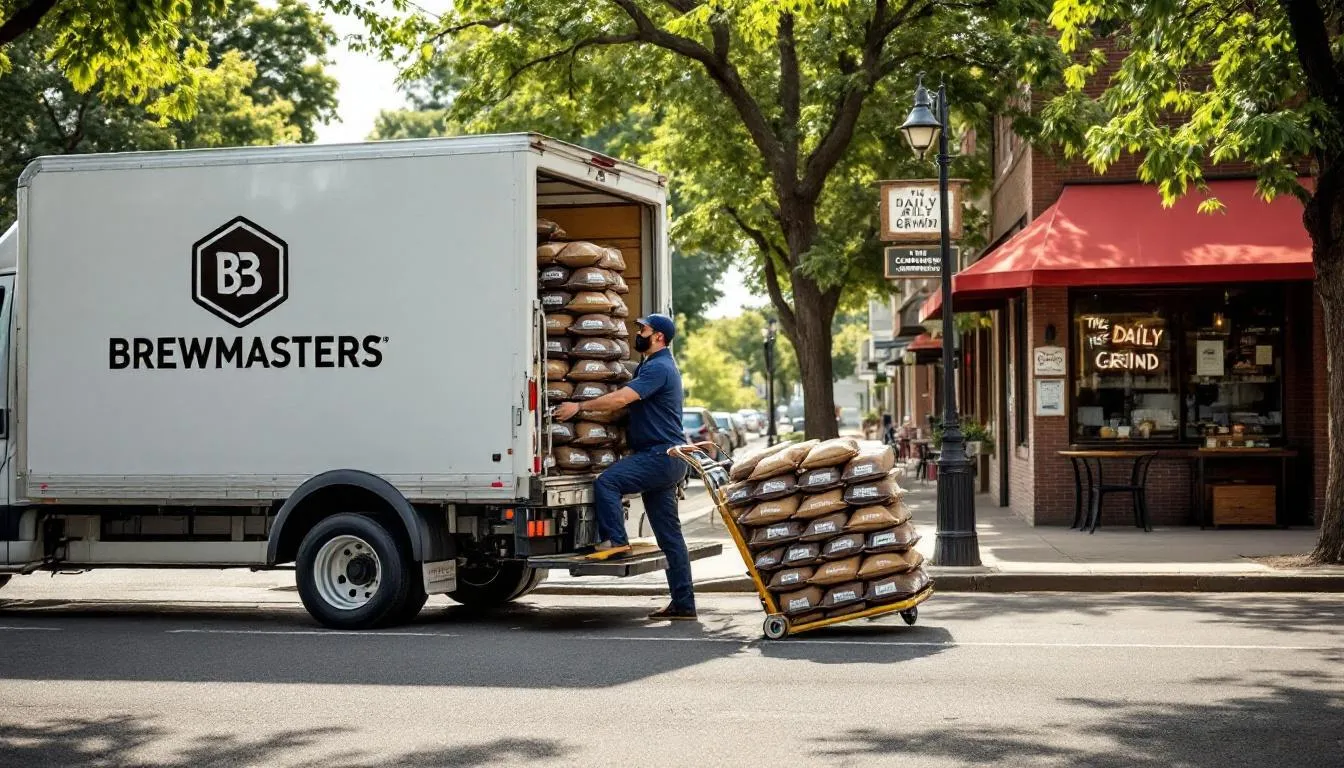
Distribution logistics significantly impact both costs and customer satisfaction. Route optimization software helps minimize fuel costs and delivery times while ensuring reliable service. Many wholesalers establish regular delivery schedules that allow customers to plan inventory levels and reduce their storage requirements.
Customer account management involves tracking order history, preferences, and payment patterns. Detailed customer records enable personalized service while identifying opportunities for additional sales. Regular account reviews help prevent customer defection and identify growth opportunities.
Technology integration streamlines operations and improves scalability. Enterprise resource planning (ERP) systems coordinate inventory, orders, accounting, and customer management functions. E-commerce platforms enable customer self-service while reducing administrative overhead.
Minimum Order Requirements
Establishing appropriate minimum order requirements balances operational efficiency with customer accessibility. Minimum orders help ensure delivery profitability while preventing excessive administrative overhead from very small accounts.
Initial minimum orders for new customers might be set relatively low to encourage trial and relationship development. Many wholesalers establish 3-5 pound minimums for first-time orders, allowing potential customers to evaluate products without significant financial commitment.
Ongoing minimum orders typically increase based on delivery economics and administrative costs. Customers receiving weekly delivery might face 25-50 pound minimums, while those ordering monthly might need to meet 100+ pound thresholds to justify delivery costs.
Volume-based pricing tiers encourage larger orders while maintaining relationships with smaller customers. Tiered structures might offer base pricing for orders under 50 pounds, discounted pricing for orders over 100 pounds, and further discounts for orders exceeding 250 pounds.
Geographic considerations affect minimum order calculations since delivery costs vary significantly based on distance and route density. Urban customers with short delivery routes might face lower minimums than rural customers requiring dedicated trips.
Flexible ordering options help accommodate customers with varying needs. Some wholesalers offer consolidated shipping for smaller customers or pickup options that eliminate delivery costs. Others provide emergency delivery services for premium pricing when customers face unexpected shortages.
Payment terms influence minimum order decisions since smaller orders with extended payment terms create cash flow challenges. Customers paying immediately might qualify for lower minimums, while those requesting NET30 terms might face higher thresholds.
Marketing Your Wholesale Coffee Business
Effective marketing for wholesale coffee operations differs significantly from consumer-focused strategies. B2B marketing emphasizes relationship building, industry expertise, and demonstrable value propositions that address specific business needs rather than emotional appeals.
Digital marketing strategies help establish credibility and generate leads through online channels. Search engine optimization targeting keywords like “wholesale coffee supplier” and “bulk coffee distributor” helps potential customers find businesses when actively searching for suppliers. Content marketing through blogs, case studies, and industry insights positions companies as knowledgeable partners rather than just product vendors. Additionally, providing clear information and guidance helps buyers make informed decisions about where to buy their wholesale coffee, ensuring they select the right products and quantities to meet their business needs.
Trade show participation provides valuable networking opportunities and face-to-face relationship building in an industry where personal connections remain important. Coffee industry trade shows, foodservice exhibitions, and restaurant shows offer concentrated access to potential customers and suppliers.
Social media marketing serves more limited roles in B2B coffee marketing but can still provide value through LinkedIn networking, Instagram showcasing of products and customers, and Facebook community engagement. Professional platforms work better than consumer-focused channels for reaching decision-makers.
Partnership marketing leverages relationships with complementary businesses to reach new customers. Collaborations with commercial kitchen equipment suppliers, restaurant consultants, or catering companies can provide qualified referrals and shared marketing opportunities.
Customer testimonials and case studies provide social proof that helps overcome skepticism from potential customers. Detailed success stories highlighting specific results and customer satisfaction create credibility that generic marketing messages cannot achieve.
Industry publication advertising and content contributions establish thought leadership while reaching targeted audiences. Trade magazines, online publications, and industry newsletters offer access to qualified readers who influence purchasing decisions.
Direct mail and email marketing remain effective for B2B coffee marketing when properly targeted and executed. Regular newsletters, product announcements, and educational content help maintain visibility between personal interactions while providing value to recipients.
Referral programs incentivize existing customers to recommend services to their network. Given the relationship-driven nature of the coffee industry, word-of-mouth recommendations carry significant weight and often convert at higher rates than other marketing channels.
Profitability and Growth Strategies
Achieving sustainable profitability in wholesale coffee requires careful attention to cost management, pricing optimization, and operational efficiency. As businesses mature, growth strategies enable scaling operations while maintaining service quality and customer satisfaction.
Cost management focuses on controlling expenses across sourcing, operations, and distribution. Volume purchasing negotiations with suppliers help reduce input costs, while operational efficiency improvements minimize labor and overhead expenses. Route optimization and warehouse management systems contribute to distribution cost control.
Pricing optimization involves regular analysis of cost structures, competitive positioning, and customer value perceptions. Dynamic pricing models that adjust for commodity cost fluctuations help maintain margins during volatile market conditions. Premium pricing for value-added services like training or equipment support can improve overall profitability.
Geographic expansion allows businesses to leverage existing infrastructure and expertise across larger markets. Regional expansion typically begins with adjacent markets where delivery logistics remain manageable. National expansion might require partnerships with regional distributors or investment in multiple distribution centers.
Product line expansion creates opportunities for increased revenue per customer while spreading fixed costs across broader offerings. Adding complementary products like tea, hot chocolate, or brewing equipment helps capture larger shares of customer spending while strengthening relationships.
Value-added services differentiate offerings while commanding premium pricing. Equipment leasing, maintenance services, staff training, and menu development consultation create recurring revenue streams beyond pure product sales. These services also increase customer switching costs and loyalty.
Technology investments enable scaling operations without proportional increases in labor costs. Automated ordering systems, inventory management software, and customer relationship management platforms support larger customer bases with existing staff levels.
Subscription services provide predictable recurring revenue while reducing customer acquisition costs. Automated delivery programs appeal to customers seeking operational simplicity while ensuring consistent order volumes for wholesalers.
Acquisition strategies help accelerate growth through purchasing existing customer bases, adding complementary capabilities, or expanding geographic reach. Acquiring smaller competitors or regional distributors can provide immediate scale advantages and market presence.
Strategic partnerships enable growth without requiring internal investment in new capabilities. Partnerships with equipment manufacturers, financing companies, or complementary service providers create additional revenue streams while strengthening customer value propositions.
Franchise or licensing models allow expansion through partner investments rather than internal capital requirements. Successful wholesale coffee operations might license their systems and processes to independent operators in new markets, creating royalty revenue streams.
Working capital management becomes increasingly important as businesses grow and customer payment terms extend cash conversion cycles. Factoring services, inventory financing, and customer credit management help optimize cash flow while supporting growth investments.
Market diversification reduces dependence on specific customer segments or geographic markets. Developing customer bases across multiple industries and regions helps protect against localized economic downturns or industry-specific challenges.
The wholesale coffee industry continues evolving with changing consumer preferences, technology adoption, and sustainability requirements. Successful operators monitor industry trends and adapt their strategies to capitalize on emerging opportunities while protecting against potential threats.
Private labeling demand continues growing as retailers seek differentiation and margin improvement. Developing capabilities in custom roasting, packaging design, and brand development positions wholesalers to capture this growing market segment.
Sustainability and transparency requirements increasingly influence purchasing decisions across all customer segments. Implementing traceability systems, obtaining relevant certifications, and developing supplier relationships that support sustainability claims create competitive advantages.
Technology adoption accelerates across the coffee industry, creating opportunities for wholesalers who embrace digital solutions. E-commerce platforms, automated ordering systems, and data analytics tools enable better customer service while improving operational efficiency.
Consolidation trends in the foodservice industry create opportunities for wholesalers who can serve larger, more complex customer organizations. Developing capabilities to support multi-location customers with centralized ordering and standardized products becomes increasingly valuable.
Specialty coffee market growth continues expanding beyond traditional coffee shops into mainstream restaurants, convenience stores, and institutional settings. Wholesalers with specialty coffee expertise can capitalize on this trend by educating customers and providing premium products with appropriate service levels.
Ready-to-drink coffee and cold brew segments represent emerging opportunities for wholesalers willing to expand beyond traditional hot coffee offerings. These products require different storage, handling, and distribution capabilities but offer access to growing market segments.
The coffee industry rewards businesses that combine quality products with exceptional service and strong relationships. Successful wholesaling coffee operations focus on understanding customer needs, delivering consistent value, and building trust through reliable performance over time.
Whether you’re just getting started in the coffee business or looking to expand existing operations, the wholesale coffee market offers substantial opportunities for those willing to invest in proper planning, quality systems, and customer-focused strategies. The key to long-term success lies in treating wholesale coffee as a relationship business where personal connections and consistent performance create lasting competitive advantages.
By following the strategies and best practices outlined in this guide, entrepreneurs can build profitable wholesale coffee businesses that serve their communities while generating sustainable returns. The coffee industry’s continued growth, combined with increasing demand for quality and convenience, creates favorable conditions for well-executed wholesale operations that prioritize customer success alongside their own profitability.