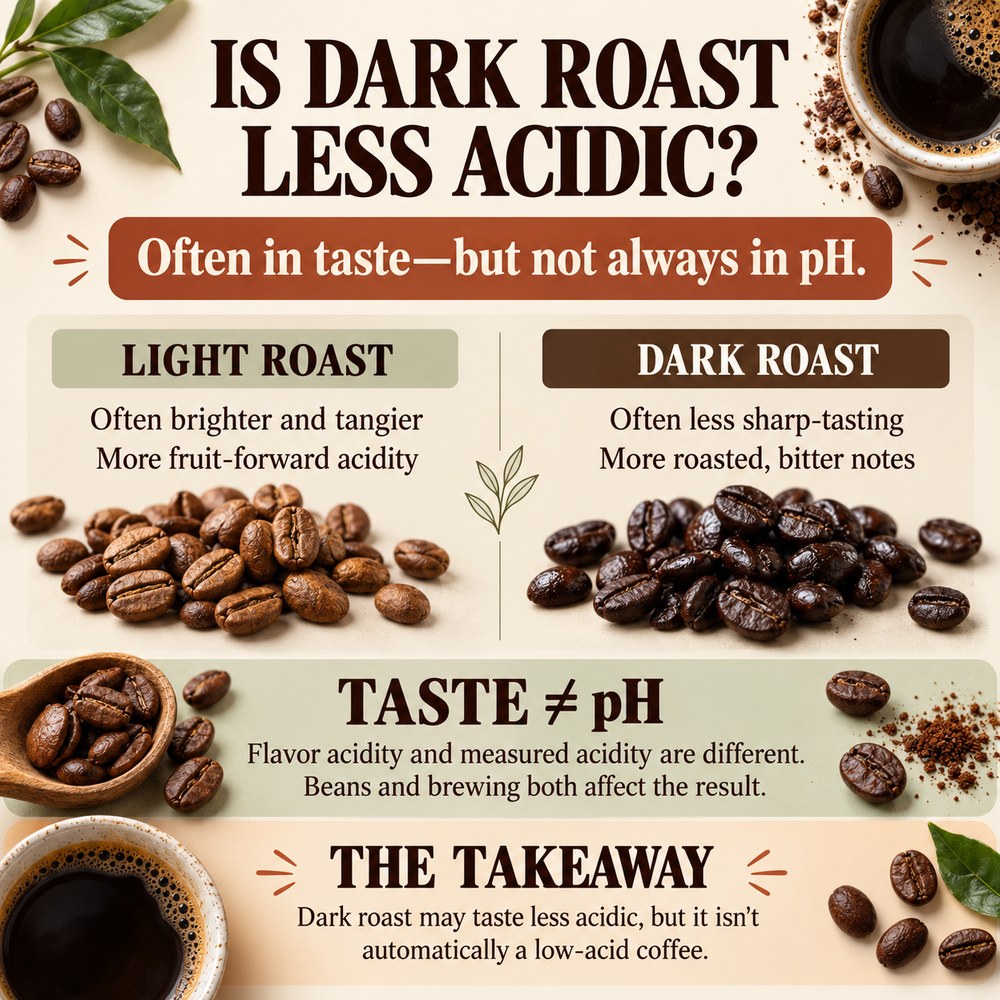
Is dark roast coffee less acidic? Yes, it is. The longer roasting process reduces the acid levels in the beans, making dark roast coffee gentler on the stomach compared to lighter roasts. In this article, we’ll explain why dark roast coffee has lower acidity and offer tips for those looking to reduce acidity in their coffee.
Key Takeaways
- Dark roast coffee is generally less acidic than light roast due to the roasting process that burns off some acids.
- Brewing methods like cold brew and French press can help reduce coffee acidity, resulting in a smoother taste.
- Dark roast offers health benefits, including lower acidity and higher antioxidant content, making it a gentler choice for sensitive stomachs.
Understanding Coffee Acidity

Coffee acidity refers to the levels of acid in coffee that affect its flavor, contributing to its sharpness and complexity. This type of acidity shouldn’t be mistaken for the kind that causes heartburn or acid reflux; instead, it adds a vibrant and lively taste to your cup. For many, acidity provides a delightful zing, similar to the bright notes in a glass of wine.
Interestingly, coffee is less acidic than orange juice, which is known for its high acidity levels. This comparison highlights that while coffee does have acidic properties, it is not as harsh on the stomach as some other beverages.
The perception of acidity in coffee can be enhanced by flavor notes such as citrus or berry, leading to an enjoyable drinking experience. These bright notes create a layered and intriguing flavor profile that many coffee aficionados seek out. However, this same acidity can lead to sensations of sharpness, numbness, and dryness in the mouth for some drinkers.
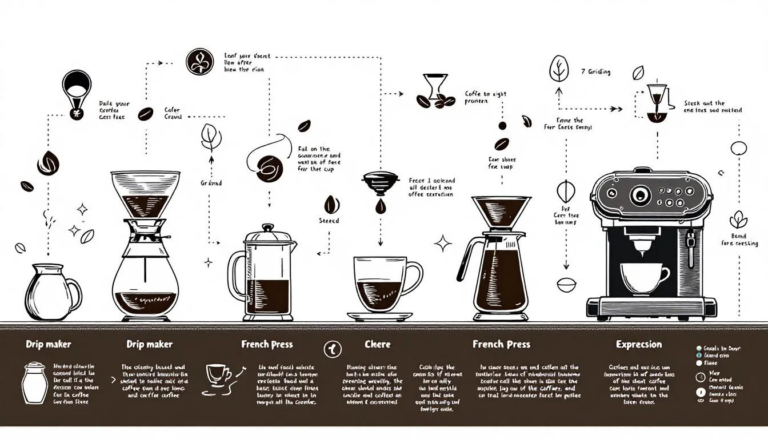
Coffee acidity is influenced by factors such as the roasting process, preparation methods, and the grind of the coffee. Lighter roasts retain more natural acids, making them more acidic, while darker roasts have reduced acidity due to longer roasting times. The brewing method—whether using a French press, drip machine, or cold brew—also affects the final acidity of your drink.
Not everyone enjoys highly acidic coffee; some may experience heartburn or discomfort from higher acidity levels. For those individuals, low-acid coffee varieties offer a smoother, more stomach-friendly option without compromising much on flavor.
Coffee Bean Type and Acidity

The type of coffee bean you choose can significantly impact the acidity of your coffee. Arabica beans, known for their delicate flavor and lower acidity, are a popular choice for specialty coffee. These beans offer a smoother, more nuanced cup, making them ideal for those who prefer a less acidic brew. On the other hand, Robusta beans have a bolder flavor and higher acidity, often used as a base for instant coffee due to their robust taste.
Within the Arabica species, there are numerous varieties, each with its unique acidity profile. For instance, coffee beans from Ethiopia and Kenya are celebrated for their bright, vibrant acidity, adding a lively zing to your cup. In contrast, beans from Brazil and Sumatra are known for their mild acidity, offering a smoother, more mellow experience.
The processing method of the coffee beans also plays a crucial role in determining acidity. Beans processed using the washed method tend to have a brighter acidity compared to those processed using the natural method. This difference in processing can significantly influence the final flavor profile of your coffee, making it essential to consider when selecting your beans.
The Science Behind Dark Roast Coffee
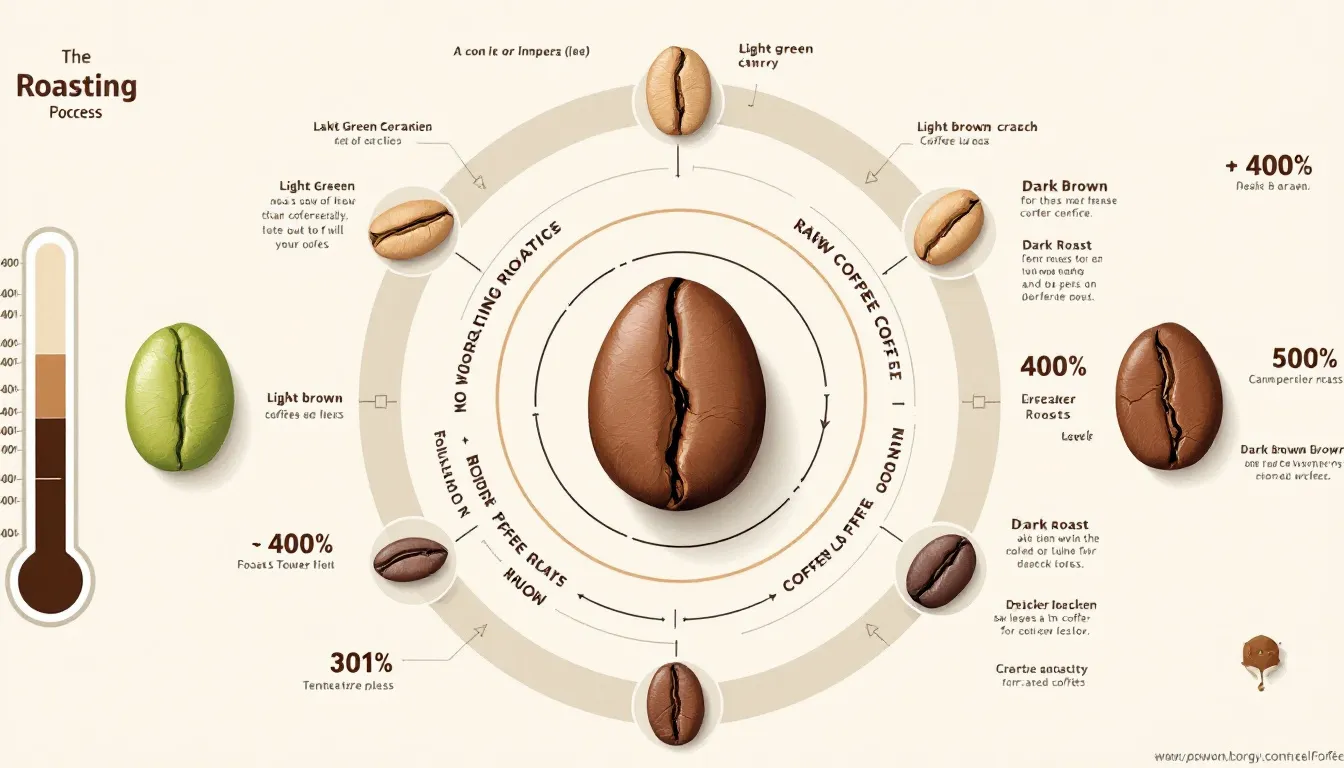
Dark roast coffee is often praised for having lower acidity than its lighter counterparts. But what exactly happens during the roasting process that makes dark roast coffee less acidic? The answer lies in the chemical changes that occur when coffee beans are roasted to a darker level. During dark roasting, some acids are burned off, reducing the overall acidity.
Roasting coffee beans to a dark level causes significant chemical transformations that emphasize roast characteristics over the original roasted coffee beans flavors. This creates a flavor profile often described as nutty or chocolatey, with a smoother and less acidic taste than lighter roasts. The complexity of dark roast coffee stems from these roast characteristics rather than the beans’ inherent flavors. Medium roast coffee, on the other hand, has a balanced acidity, falling between light and dark roasts.
Additionally, dark roast coffee has the lowest acidity among roast types. This makes it popular among those who prefer milder acidity in their coffee. Reduced acidity affects the taste and makes dark roast coffee gentler on the stomach, offering a smoother drinking experience overall. Medium roast coffee beans are known for their balanced flavor profile and moderate acidity, making them a popular choice for many coffee drinkers.
How Roasting Levels Affect Acidity
Roasting has a significant impact on coffee’s acidity levels. Roasting alters the chemical composition of coffee beans, affecting the overall acidity of the final cup. Darker roasts generally have a more neutral pH compared to lighter roasts, resulting in lower acidity. This means that dark roast coffee is typically smoother and less sharp on the palate.
Medium roasts offer a balanced acidity, appealing to those who prefer a middle ground between light and dark roasts.
Chlorogenic acid, a key acid affected by roasting, influences coffee’s acidity levels. Dark roasting significantly reduces chlorogenic acid, resulting in less acidity than lighter roasts. This reduction is a primary reason why dark roast coffee is perceived as less acidic and more balanced.
In contrast, light roast coffee is known for its vibrant acidity, creating a more complex taste profile than dark roasts. The higher acidity in light roasts appeals to those who enjoy a lively, zesty cup of coffee. However, this can cause discomfort for those sensitive to acidity.
Overall, darker roasts have higher pH levels and lower acidity than lighter roasts, making them preferable for those sensitive to acidity. The smoother taste of darker roasts is often preferred by those seeking a mellow, less acidic cup.
The pH Level of Coffee

The pH level of coffee is a measure of its acidity, typically ranging from 4.5 to 6.5, with an average pH level around 5.0. Darker roasts generally have a higher pH level, meaning they are less acidic compared to lighter roasts. This is one reason why dark roast coffee is often preferred by those seeking a smoother, less acidic cup.
The brewing method you choose can also affect the pH level of your coffee. For example, coffee brewed using a French press or espresso machine tends to have a lower pH level than coffee brewed using a drip coffee maker. This is due to the different extraction processes and contact times involved in each method.
The type of coffee bean used further influences the pH level. Arabica beans typically have a lower pH level than Robusta beans, contributing to their less acidic nature. Additionally, the roast level of the coffee beans plays a significant role; lighter roasts have a lower pH level, making them more acidic than darker roasts.
Brewing time and water temperature are other factors that can affect the pH level of your coffee. Coffee brewed for a longer time or with hotter water tends to have a lower pH level, resulting in higher acidity. Similarly, the coffee-to-water ratio can influence acidity; a higher coffee-to-water ratio usually leads to a lower pH level, making the coffee more acidic.
By understanding these factors, you can better control the acidity of your coffee, tailoring it to your personal preference for a perfect cup every time.
Comparing Dark Roast and Light Roast Coffee
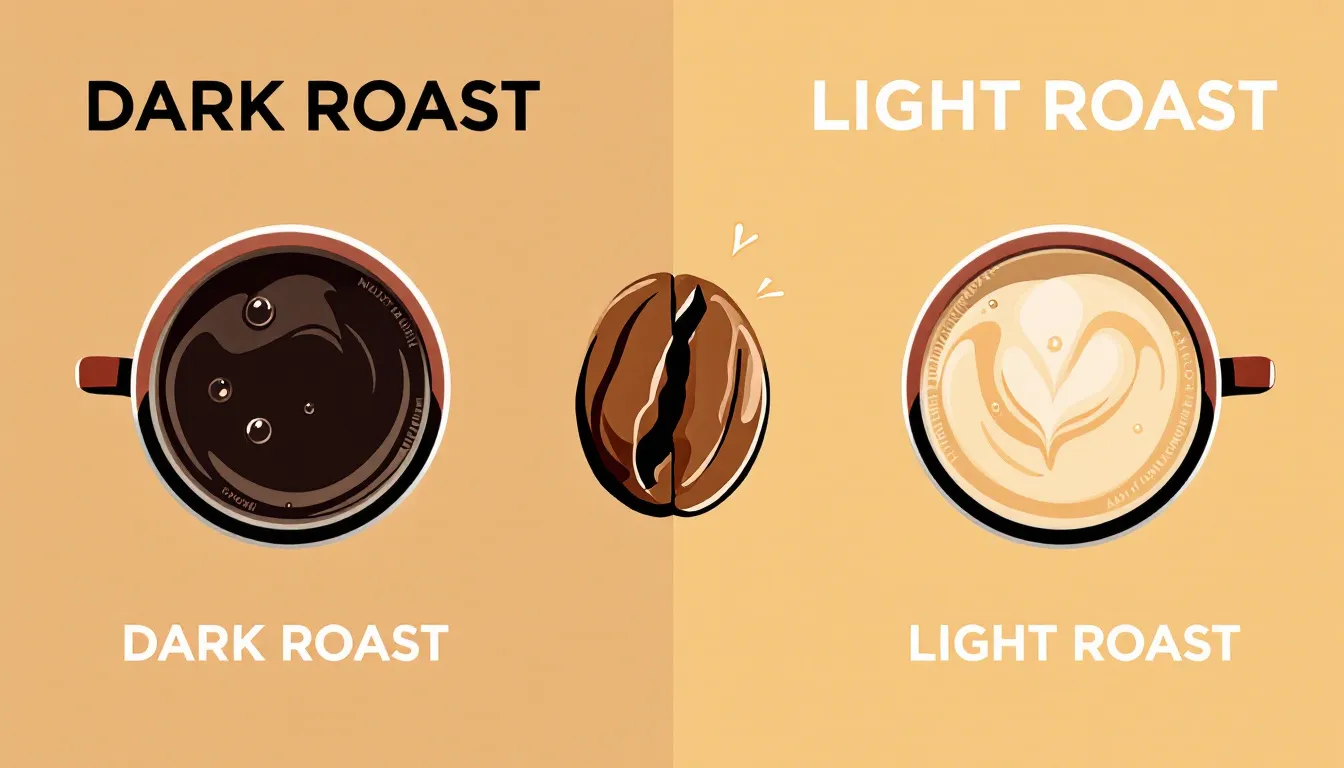
Comparing dark roast coffee to light roast coffee reveals several key differences. Dark roast coffee generally has milder acidity, while light roast coffee has a brighter, citrusy flavor profile with higher acidity. This difference in acidity is a primary factor influencing a coffee drinker’s preference.
Darker roast reduces acidity, resulting in a smoother taste. Dark roasts often have nutty or chocolatey flavors, a result of the extended roasting process that caramelizes the beans’ sugars. Light roast beans usually contain more caffeine and retain more of their original fruity flavors.
While dark roasts can sometimes make coffee taste bitter if over-roasted, they generally have a smoother taste compared to light roasts.
Another significant difference is caffeine content. Light roast beans typically contain more caffeine than dark roast beans. The longer roasting process of dark roasts reduces their caffeine content. For a stronger caffeine kick, light roasts might be preferred, while dark roasts offer a mellower experience. Additionally, light roast coffee beans are often sought after for their vibrant flavors.
Ultimately, the choice between dark roast and light roast coffee comes down to personal preference. Whether you prefer the bright acidity and high caffeine of light roasts or the smooth, rich flavors of dark roasts, there’s a roast level for every palate.
Benefits of Drinking Dark Roast Coffee

Drinking dark roast coffee offers several benefits, making it popular among coffee lovers. One main advantage is its lower acidity, making it gentler on the stomach. This is especially beneficial for those who experience discomfort or heartburn from more acidic coffee.
Dark roast coffee also has a smoother flavor profile because of its reduced acidity. The extended roasting process enhances the beans’ natural sweetness, resulting in a rich, mellow taste. This makes dark roasted coffee a favorite for those who prefer a less acidic, more balanced cup of dark roasted coffee.
Another significant benefit of dark roast coffee is its antioxidant properties. The chemical changes during roasting enhance the coffee’s antioxidant content, which can help reduce inflammation and lower the risk of chronic diseases. Additionally, darker roasts may stimulate less gastric acid secretion than lighter roasts, making them easier on the digestive system.
Overall, drinking dark roast coffee provides a combination of health benefits and enjoyable flavors. Its lower acidity, smoother taste, and antioxidant properties make it a great choice for those wanting to enjoy coffee without the drawbacks of higher acidity.
Popular Low-Acid Dark Roast Coffee Beans
For low-acid dark roast coffee, several brands stand out for their smooth, less acidic offerings. Java Planet is known for its low-acid coffee, balancing dark roast flavor with complexity, making it a favorite among coffee drinkers. Their beans are carefully roasted to ensure a rich, satisfying cup without high acidity.
Lucy Jo’s Coffee Roastery offers a super-dark roast with rich chocolatey and nutty flavors, providing a deliciously smooth, low-acid option. This brand is perfect for those who enjoy bold, robust coffee without the sharpness of higher acidity.
Mommee Coffee is designed to be low-acid and chemical-free, making it suitable for pregnant women and those with sensitive stomachs. Their beans are roasted to perfection, offering a gentle, enjoyable coffee experience.
Other notable brands include 8 O’CLOCK, Colombe, and Stone Street, all offering low-acid dark roast coffees that are easy on the stomach and full of rich flavors. These brands are highly regarded for their commitment to quality and flavor, making them excellent choices for low-acid coffee drinkers.
Brewing Methods to Reduce Coffee Acidity
Brewing methods significantly impact the acidity levels in your coffee. An effective way to reduce coffee acidity is using the cold brew method. Cold brew coffee generally has a smoother taste due to its lower acidity compared to hot brewed coffee. The brewing coffee process involves steeping coffee grounds in cold water for about 24 hours, resulting in fewer acidic compounds being released.
Using a French press is another excellent way to reduce coffee acidity. The immersion brewing process of a French press allows for better control over extraction time and temperature, influencing acidity levels in your coffee. Adjusting the coffee-to-water ratio and using hard water can also minimize the perceived acidity of your brew.
For those who prefer a traditional brewing method, making the coffee weaker by adjusting the water and coffee quantity can reduce acidity. This simple adjustment can noticeably affect the final cup, resulting in a smoother, less acidic coffee experience.
Another home remedy to reduce coffee acidity is adding a pinch of baking soda to your coffee grounds before brewing. Baking soda acts as a natural antacid, helping neutralize some acids in your coffee, making it gentler on your stomach.
Common Misconceptions About Coffee Acidity
Several common misconceptions about coffee acidity often confuse coffee drinkers. One prevalent misconception is that caffeine contributes to coffee’s acidity. While caffeine contributes to coffee’s bitter flavors, it doesn’t increase acidity levels.
Another misconception is that all acidic coffee causes heartburn or indigestion. In reality, the acidity affecting coffee’s flavor differs from the acidity causing digestive discomfort. Understanding these distinctions helps coffee drinkers make informed choices and enjoy their coffee without unnecessary concern.
Summary
In summary, dark roast coffee is indeed less acidic than its lighter counterparts, making it a smoother and more stomach-friendly option for many coffee drinkers. The chemical changes during the roasting process reduce acidity levels, resulting in a richer and more balanced flavor profile.
By understanding the impact of roasting levels, choosing the right low-acid coffee beans, and employing specific brewing methods, you can enjoy a delicious and less acidic cup of coffee. So, whether you’re a fan of dark roasts or just looking to minimize acidity, there’s a perfect brew waiting for you.
Frequently Asked Questions
Is dark roast coffee less acidic than light roast coffee?
Absolutely, dark roast coffee is usually less acidic than light roast because the longer roasting time burns off some of those acids. So, if you’re looking for a smoother cup, dark roast is the way to go!
What are the health benefits of drinking dark roast coffee?
Drinking dark roast coffee is great for your stomach since it’s low in acidity, plus it’s packed with antioxidants that can help fight inflammation and lower the risk of chronic diseases. It’s a win-win for your health!
What is the best brewing method to reduce coffee acidity?
Cold brew is your best bet for reducing coffee acidity, giving you a smoother taste with less of that sharp bite. It’s all about a chill brew for a tasty cup!
Can adding baking soda to coffee reduce acidity?
Absolutely, a pinch of baking soda in your coffee grounds can cut down on the acidity, making your brew easier on the stomach. Give it a try!
Are there specific brands of low-acid dark roast coffee?
Absolutely! Check out brands like Java Planet, Lucy Jo’s Coffee Roastery, and Mommee Coffee for some tasty low-acid dark roast options.